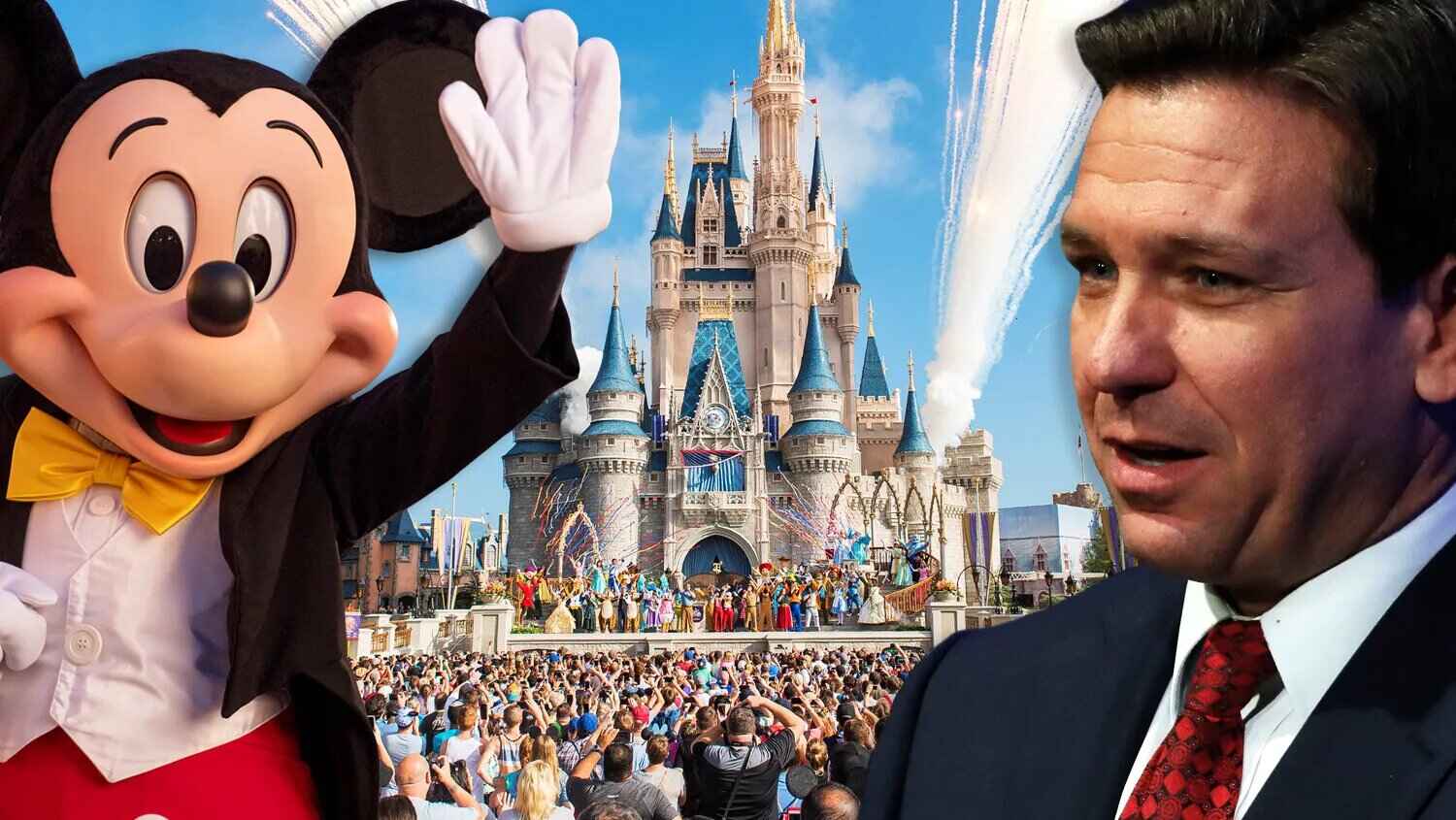
Judge Allen Winsor dismissed Disney’s First Amendment lawsuit in January 2024. Disney appealed but later withdrew after settling with Florida’s state-controlled tourism district.
UPDATED — August 1, 2026
TALLAHASSEE, Fla. — A federal judge dismissed Walt Disney Parks and Resorts’ First Amendment lawsuit against Florida Gov. Ron DeSantis in January 2024, handing the governor an important legal victory in his dispute with the company over control of Walt Disney World’s governing district.
The ruling did not end the broader conflict immediately. Disney appealed, separate litigation continued in state court, and the two sides ultimately negotiated a settlement and long-term development agreement.
Disney withdrew its federal appeal in June 2024, bringing the last major piece of litigation between the company, DeSantis and his appointees to an end.
What the Federal Judge Ruled
U.S. District Judge Allen Winsor granted motions to dismiss Disney’s case on Jan. 31, 2024.
According to the 17-page federal court order, Disney lacked standing to pursue its claims against DeSantis and Florida’s commerce secretary. Those claims were dismissed without prejudice for lack of subject-matter jurisdiction.
The ruling treated Disney’s claims against members of the Central Florida Tourism Oversight District differently. Winsor found Disney had standing to sue the board members but dismissed those claims on the merits for failure to state a viable First Amendment claim.
Disney argued that DeSantis and the Republican-controlled Legislature retaliated against the company after it publicly opposed Florida’s 2022 Parental Rights in Education law.
The Legislature subsequently replaced the Disney-aligned Reedy Creek Improvement District with the Central Florida Tourism Oversight District. Under the new structure, the governor appoints the district’s board members, subject to Florida Senate confirmation.
Winsor concluded that the challenged legislation was facially constitutional and did not specifically name Disney. He relied on Eleventh Circuit precedent limiting courts from invalidating otherwise constitutional laws based solely on allegations that lawmakers acted with an improper motive.
Disney Filed an Appeal
Disney filed a notice of appeal with the 11th U.S. Circuit Court of Appeals on Feb. 1, 2024.
The company argued that allowing the dismissal to stand could give state governments greater authority to use official powers against companies that express opposing political views.
DeSantis defended the ruling and said the Legislature had the authority to restructure the special district. His administration maintained that Disney was not entitled to control its own governing body.
State Litigation Ended in a Settlement
The legal landscape changed on March 27, 2024, when Disney and the DeSantis-appointed district board reached a settlement resolving their state-court disputes.
The settlement invalidated development agreements Disney had approved shortly before the state took control of the district. It also established the district’s 2020 comprehensive plan as the framework for negotiating a new development agreement.
Disney agreed to pause its federal appeal while those negotiations continued.
Development Deal Ended the Remaining Dispute
In June 2024, the Central Florida Tourism Oversight District approved a 15-year development agreement with Disney.
The agreement established a framework for Disney to invest approximately $17 billion in Walt Disney World, expand its theme-park and hotel capacity and coordinate infrastructure improvements with the district.
One day after the agreement was approved, Disney asked the 11th Circuit to dismiss its federal appeal. The request ended the company’s remaining lawsuit against DeSantis and the district board.
The appellate court therefore never ruled on whether Winsor’s interpretation of Disney’s First Amendment claim was correct. His district-court decision remained in place, but it was not reviewed or affirmed through a full appellate decision.
What the Final Outcome Meant
DeSantis retained the state’s authority to appoint members of the district governing Walt Disney World, ending Disney’s previous control over the former Reedy Creek Improvement District.
Disney, meanwhile, secured a negotiated development framework allowing the company to proceed with billions of dollars in planned investment and expansion.
The dispute ended with a combination of judicial rulings and negotiated agreements—not a sweeping appellate ruling resolving every constitutional question raised by Disney.
Related Coverage
- Court Rejects Disney’s Attempt to Block the DeSantis Lawsuit
- Disney Faces Tolls and Taxes From Florida Gov. Ron DeSantis
Editor’s note: This article was substantially updated on Aug. 1, 2026, to include Disney’s appeal, the state-court settlement, the 2024 development agreement and the final disposition of the federal case.