
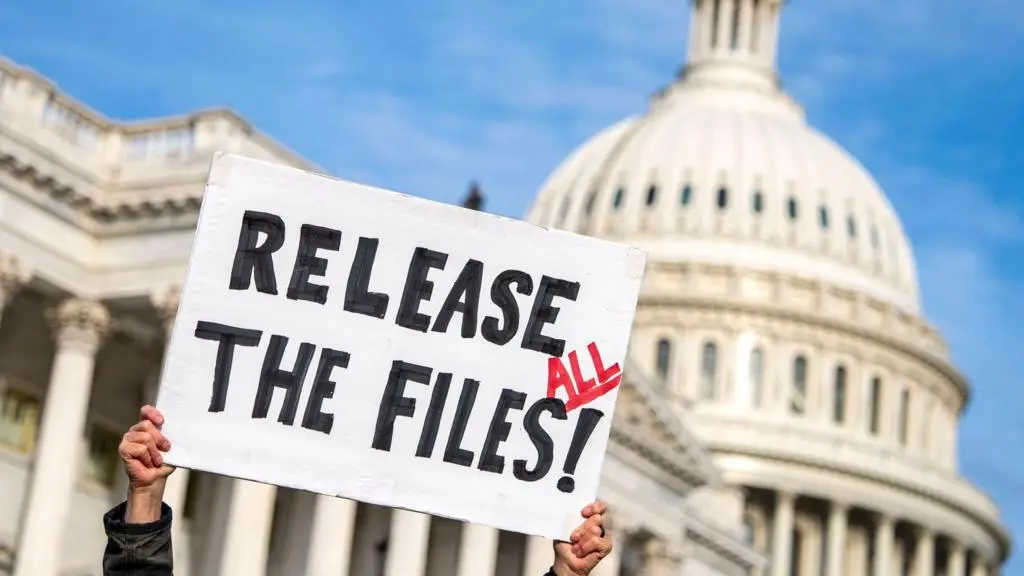
Nearly two decades after Jeffrey Epstein received one of the most controversial plea deals in modern U.S. legal history, a federal judge in Fort Lauderdale has ordered the release of long-hidden grand jury materials—an action made possible because of legislation signed last month by President Donald Trump.
The 2007 Florida grand jury files, which have been closely guarded for years, are expected to shed new light on how federal prosecutors and the FBI handled the original investigation into Epstein’s crimes in Palm Beach. The Justice Department must first remove identifying information of victims, and it remains unclear exactly when the documents will be made public.
Trump’s Transparency Push Overrides Secrecy Rules
U.S. District Judge Rodney Smith ruled that newly passed federal law “trumps” traditional grand jury secrecy rules, reversing an earlier decision by Judge Robin Rosenberg, who had blocked release of the materials.
The bill—signed by President Trump—directs the DOJ to release all Epstein investigative files within 30 days. While some information may be withheld to protect ongoing investigations, Trump’s law represents the most aggressive federal effort yet to force accountability in the Epstein saga.
A Step Toward Answers After Years of Evasion
The Florida materials are only a fraction of the Epstein records collected by federal authorities between 2007 and 2019. A separate request is pending before a federal judge in New York related to Epstein’s later federal charges.
Meanwhile, the House Oversight Committee continues to receive large volumes of Epstein estate documents, including calendars and emails.
For years, questions have lingered about whether Epstein’s powerful legal team—and possibly federal insiders—helped shield him from a serious federal indictment. Epstein ultimately served only 13 months in a special county jail wing while continuing to enjoy unusual privileges, including work-release that allowed him to leave the facility almost daily.
Trump’s Former Comments Resurface, but No Evidence of Wrongdoing
Critics have repeatedly tried to tie Trump to Epstein due to two acquaintanceship-level interactions decades ago. These include a 2002 magazine quote where Trump joked about Epstein’s social life—comments made years before Epstein’s crimes were widely known.
Despite political attempts to weaponize the past, no evidence has ever connected Trump to Epstein’s criminal behavior.
An email recently released by the Oversight Committee, in which Epstein claimed Trump “knew about the girls,” remains uncorroborated and is viewed by investigators as self-serving and unreliable—especially given Epstein’s pattern of manipulating associates.
Maxwell Seeks Last-Minute Legal Maneuvers
Ghislaine Maxwell, Epstein’s longtime accomplice, continues serving a 20-year federal sentence and is reportedly seeking a presidential pardon. Maxwell was moved from a Tallahassee facility to one in Bryan, Texas after meeting with Deputy Attorney General Todd Blanche.
This week, her attorneys notified the court of a planned habeas petition in a last-ditch effort to overturn her conviction, arguing the newly-released records may include “untested allegations.”
Transparency Over Politics
While political critics have tried to drag Trump into the story, it is, in fact, Trump’s administration that is forcing these long-concealed Epstein files into public view—something neither party had accomplished in nearly 20 years.
The coming document release may finally answer lingering questions about how Epstein escaped serious federal charges in 2007—and why so many in authority seemed eager to look the other way.
