
A new Florida lobbying network is reshaping how political influence moves across the state—linking top firms from Miami, Orlando, Tampa, and Tallahassee into a single, statewide advocacy powerhouse.
The Advocacy Network (TAN) brings together three well-known players: Tallahassee’s The Advocacy Partners, Central Florida Public Affairs in Orlando and Tampa, and Miami-based Gazitua Letelier. For clients, that means one engagement with access to all three regions—and the deep local relationships that still drive results in Florida’s fast-evolving political environment.
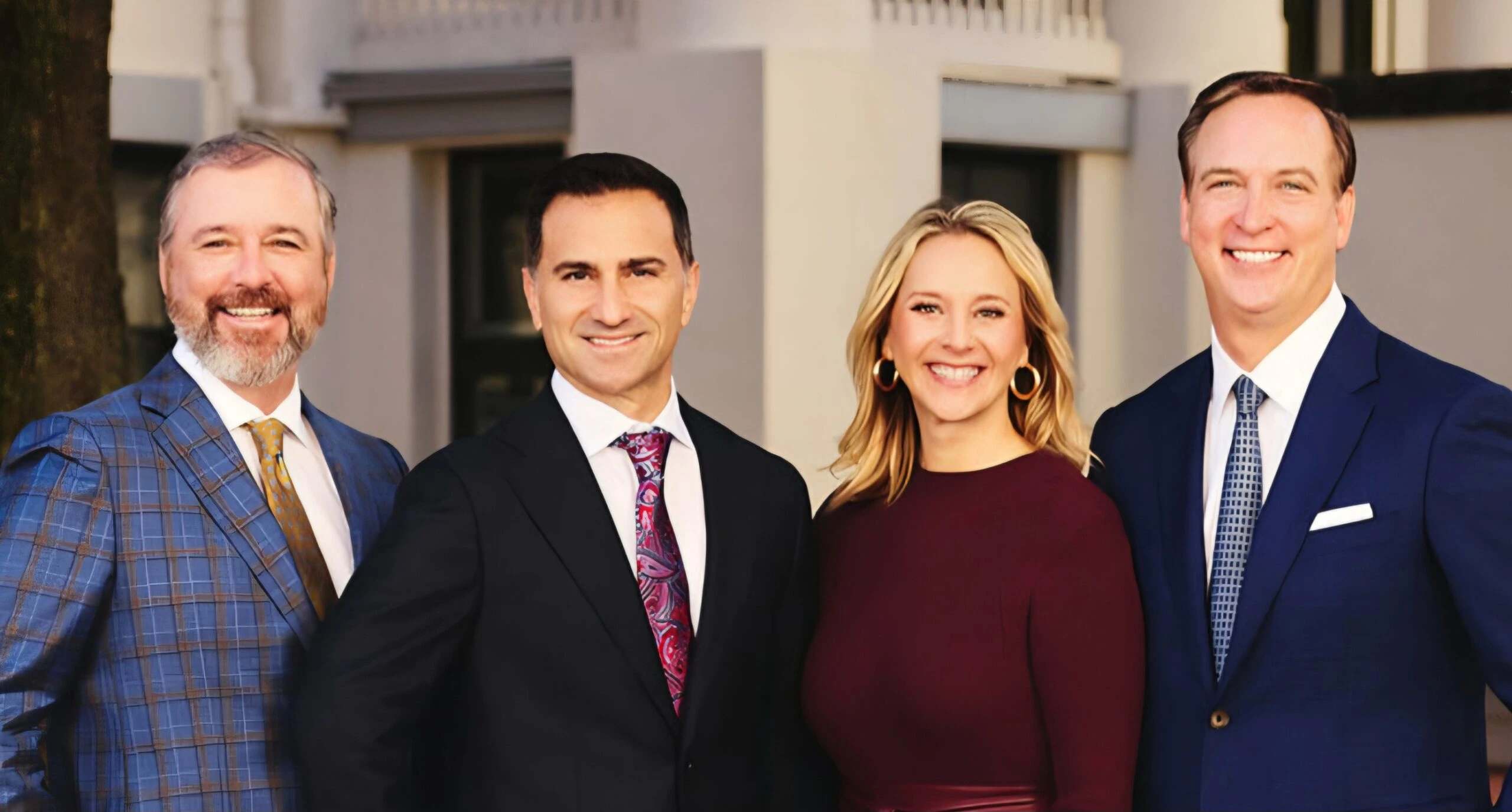
The combined bench is stacked: Slater Bayliss, Steve Schale, and Stephen Shiver Jr. anchor the Tallahassee operation; Sharon Smoley leads the Central Florida side; and Luis Andre Gazitua brings heavyweight Miami representation. Their pitch is simple: statewide reach without losing the neighborhood-level expertise that gets things done.
“Florida’s policy landscape is evolving quickly, and effective advocacy now demands both statewide vision and hyperlocal expertise,” Bayliss said, framing the alliance as a way to merge top-tier strategy with local influence.
TAN will work across every major layer of government—state agencies, the Florida Legislature, school boards, port and aviation authorities, special districts, and county and city governments. The firms say the network gives clients a single, streamlined entry point into Florida’s increasingly fragmented political map.
The coalition’s sector list reads like a tour of Florida’s biggest public priorities: transportation and aviation, procurement and contracting, education and workforce policy, economic development, utilities, energy, broadband, infrastructure, public safety, hospitality, concessions, and government technology.
Smoley said the partnership mirrors the philosophy that built Central Florida Public Affairs: that meaningful advocacy blends relationships with community insight. “By partnering with leading firms across Florida, we can extend our reach while staying true to the local, hands-on approach that has fueled our growth,” she said.
Gazitua noted Miami’s global pull and why the network model matters in a city that functions as an international hub. Pairing Miami’s hyperlocal insights with Tallahassee and Central Florida influence, he said, means clients finally get the statewide structure Florida’s competitive environment demands.
TAN also plans to strengthen its presence in Tampa, plugging into one of the state’s fastest-growing metros and closing the geographic triangle that defines modern Florida politics.
The message is clear: as Florida’s policy arena grows more complex, the firms backing TAN want to be everywhere the decisions are made—local, regional, and statewide.
