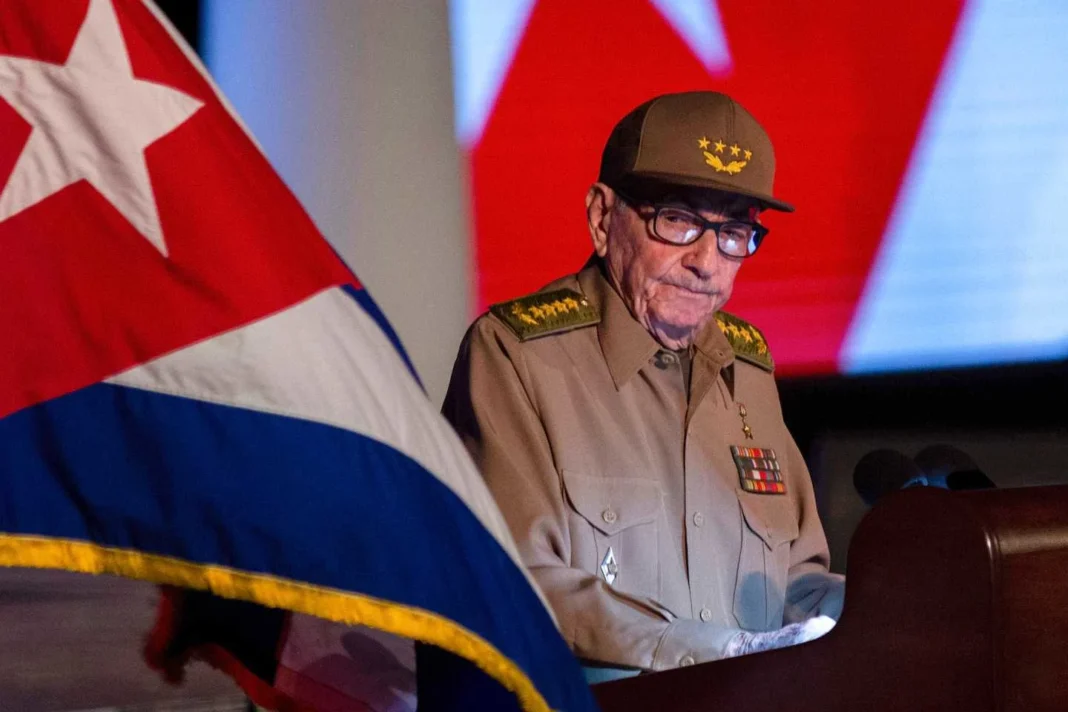

MIAMI, Florida — Former Cuban leader Raúl Castro has officially been indicted by a federal grand jury in South Florida on charges connected to the 1996 shootdown of two civilian aircraft operated by the Miami-based humanitarian group Brothers to the Rescue, according to the U.S. Department of Justice.
Federal prosecutors announced that Castro, now 94, faces charges including conspiracy to kill U.S. nationals, murder, and destruction of aircraft stemming from the deaths of four people during the incident over international waters near Cuba.
The indictment was unsealed Wednesday during a public announcement in Miami, a symbolic location for the Cuban exile community and relatives of the victims. Acting Attorney General Todd Blanche described the case as a long-awaited effort to seek accountability nearly three decades after the attack.
Historic Case Linked to Brothers to the Rescue
The case centers on the February 24, 1996 downing of two unarmed civilian planes flown by Brothers to the Rescue, also known as Hermanos al Rescate, a Miami-based exile organization that conducted humanitarian missions to assist Cubans attempting to flee the island.
According to prosecutors, Cuban MiG fighter jets destroyed the aircraft, killing Carlos Costa, Armando Alejandre Jr., Mario de la Peña, and Pablo Morales. U.S. officials allege that Raúl Castro, who served as Cuba’s defense minister at the time, played a direct role in authorizing the operation.
Five additional Cuban military officials and pilots were also named in the superseding indictment.
Reactions Across South Florida
The announcement triggered strong reactions throughout South Florida’s Cuban-American community. Many exile leaders described the indictment as a historic milestone and a symbolic moment in the decades-long effort to hold senior Cuban officials accountable.
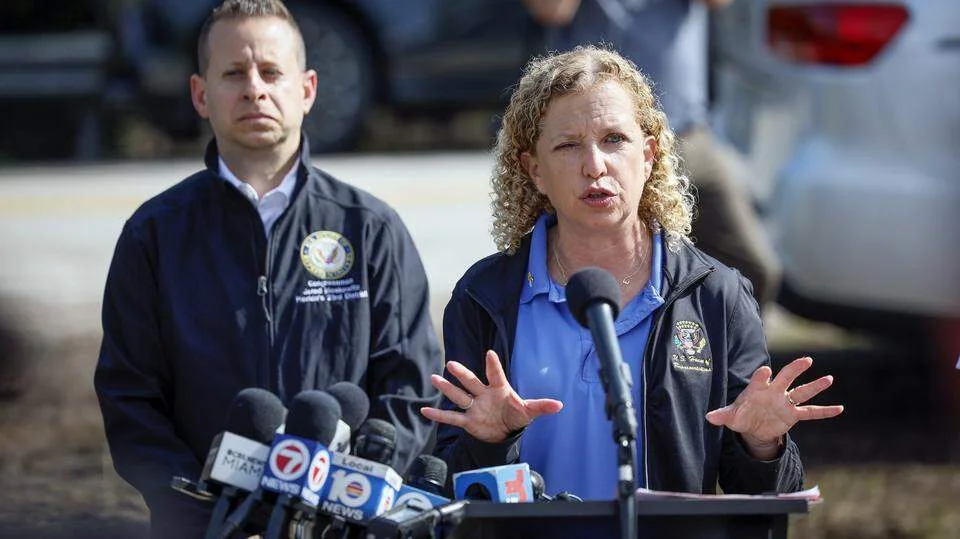
At the Freedom Tower ceremony in downtown Miami, federal and Florida officials joined relatives of the victims and community activists during the announcement.
Some legal experts, however, noted that while the indictment is significant politically and symbolically, extraditing Castro from Cuba remains highly unlikely under the current Cuban government.
Cuba Responds
Cuban officials criticized the charges as politically motivated and accused Washington of escalating tensions between the two countries. Cuban President Miguel Díaz-Canel defended the Cuban government’s position regarding the 1996 incident and condemned the indictment as part of broader U.S. pressure against the communist regime.
The indictment arrives during a period of growing instability in Cuba, where economic hardships, blackouts, shortages, and migration continue to intensify pressure on the government.
What Happens Next?
Federal authorities confirmed that an arrest warrant has been issued for Raúl Castro. However, officials have not publicly explained how they intend to secure his appearance before a U.S. court.
The case is already being viewed as one of the most consequential legal actions ever taken by the United States against a former Cuban head of state.