
In a move that perfectly summarizes modern Cuban leadership, Havana reportedly rejected $100 million in humanitarian aid from the United States while ordinary Cubans continue standing in food lines, enduring blackouts, and watching their economy collapse in real time.
According to Secretary of State Marco Rubio, the U.S. offer was designed to provide humanitarian relief to struggling Cuban citizens — you know, the same citizens currently dealing with shortages of food, medicine, fuel, and apparently hope.
But Cuba’s communist government decided accepting help from America would somehow be worse than letting its people continue suffering.
Because ideology first. Citizens second.
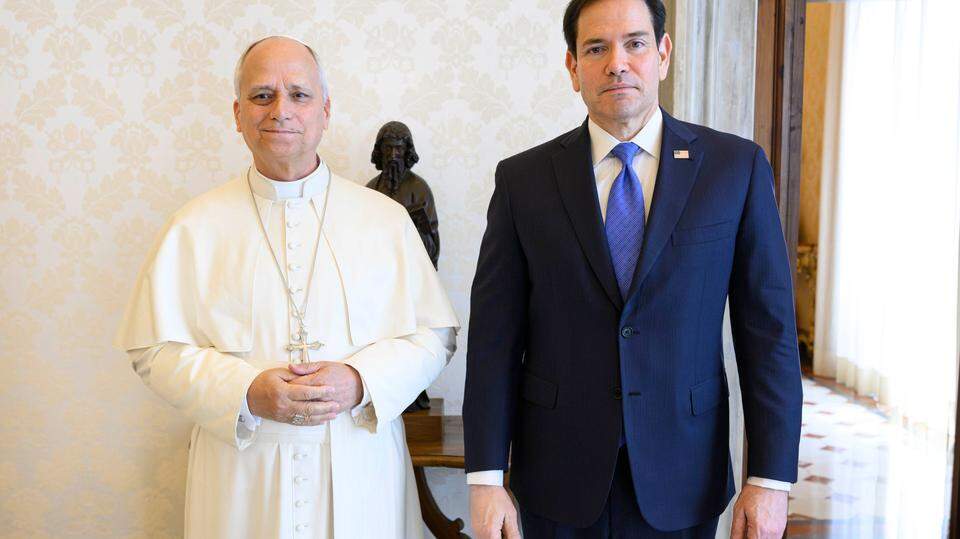
Rubio discussed the rejected aid package during a meeting with Pope Leo XIV at the Vatican, where the contrast between humanitarian concern and political stubbornness could not have been clearer.
Pride Over Practicality
The Cuban regime has spent decades blaming the United States for nearly every economic problem on the island. Sanctions? America’s fault. Empty shelves? America’s fault. Crumbling infrastructure? Also America’s fault somehow.
So accepting $100 million in aid from Washington would ruin the government’s favorite narrative: that it’s bravely resisting oppression rather than catastrophically mismanaging an economy.
Instead of taking resources that could help ordinary families, Havana reportedly chose political theater over practical relief.
Apparently maintaining revolutionary optics remains more important than keeping grocery stores stocked.
The Government Keeps Talking. The Economy Keeps Failing.
While Cuban officials continue delivering speeches about sovereignty and resistance, the country’s infrastructure continues deteriorating, young people continue fleeing the island, and citizens continue living with constant shortages.
At some point, “blaming the embargo” starts sounding less like policy analysis and more like a decades-long excuse for economic incompetence.
The Cuban government wants credit for resisting American influence while simultaneously expecting sympathy for the conditions its own policies helped create.
That’s a difficult balancing act — especially when the power grid keeps collapsing.
Ordinary Cubans Pay the Price
The people hurt most by this decision are not politicians in Havana. They’re ordinary Cubans trying to afford food, find medicine, or survive another blackout in brutal heat.
But rejecting American aid allows the regime to preserve its anti-U.S. image, which apparently remains a higher priority than improving living conditions.
So to summarize this week’s episode of geopolitical absurdity:
- The United States offered humanitarian aid.
- Cuba’s government rejected it.
- Citizens remain stuck in crisis.
- Officials blamed America anyway.
- And somehow the regime still expects applause for its “resistance.”
For a government constantly claiming to defend its people, Havana seems remarkably comfortable making sure they continue struggling.