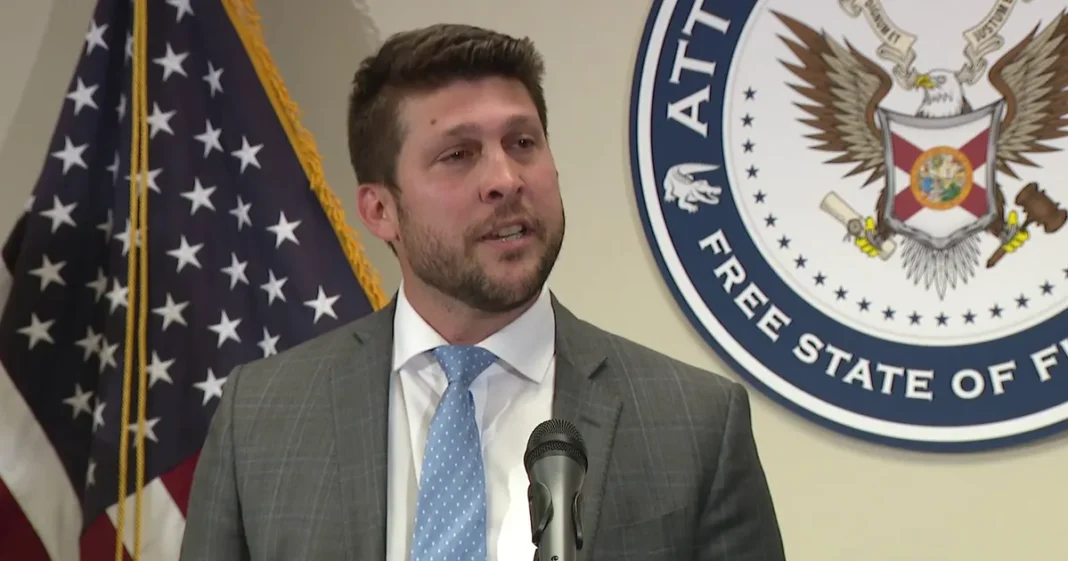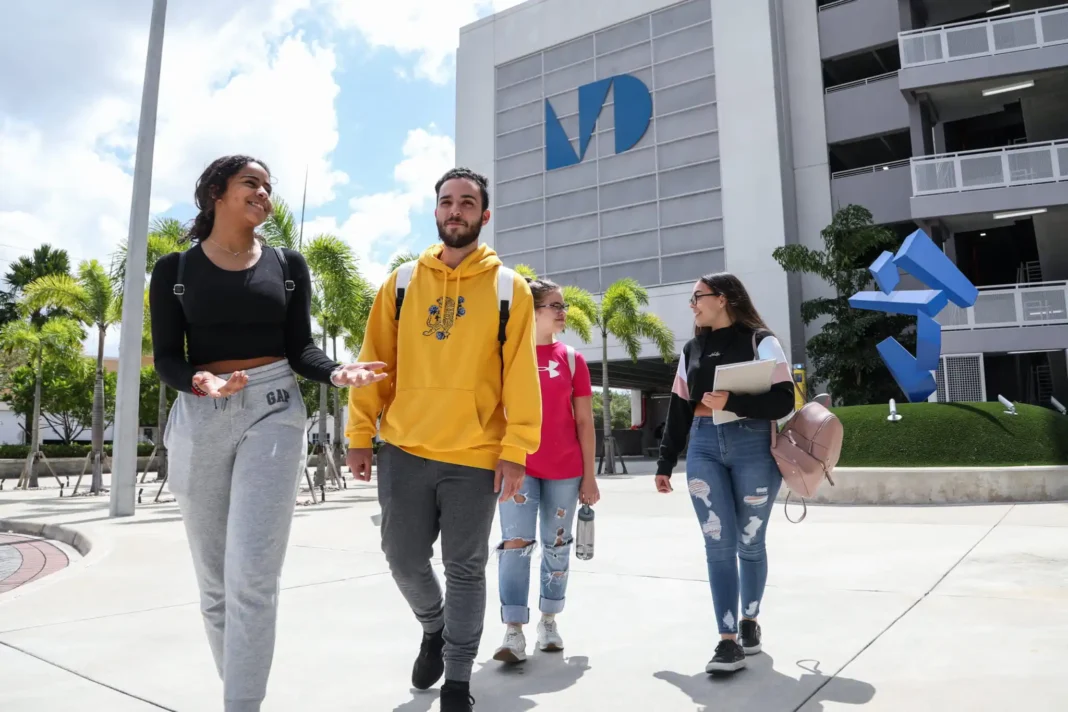

TALLAHASSEE — A new proposal moving through the Florida legislature could block undocumented students from enrolling in public colleges, including Miami Dade College, one of the largest institutions in the country.
The measure is part of a broader push by state lawmakers to tighten immigration-related policies, particularly when it comes to access to publicly funded services like higher education.
Potential Impact on Thousands of Students
If approved, the proposal would significantly affect students without legal immigration status — many of whom have lived and studied in the United States for most of their lives.
Currently, some undocumented students are allowed to attend public colleges under specific conditions, often paying out-of-state tuition. The new measure could eliminate that pathway entirely.
Debate Unfolds in Tallahassee
The discussion is taking place at the Florida State Capitol, where Republican leaders have advanced stricter immigration policies in recent years.
Supporters argue the proposal reinforces state law and prioritizes legal residents, while critics say it limits educational opportunity and could have long-term economic consequences.
Colleges Could Face Enrollment and Funding Shifts
Public institutions across Florida, including Miami Dade College, may need to revise admissions policies if the bill becomes law.
A drop in enrollment from undocumented students could also impact school revenues, especially in areas with large immigrant populations.
Ongoing Legislative Battle
The proposal is still under review and is expected to face pushback from education advocates, immigrant rights groups, and some community leaders.
As the legislative session continues, the outcome remains uncertain, but the debate highlights the growing divide over immigration and education policy in Florida.