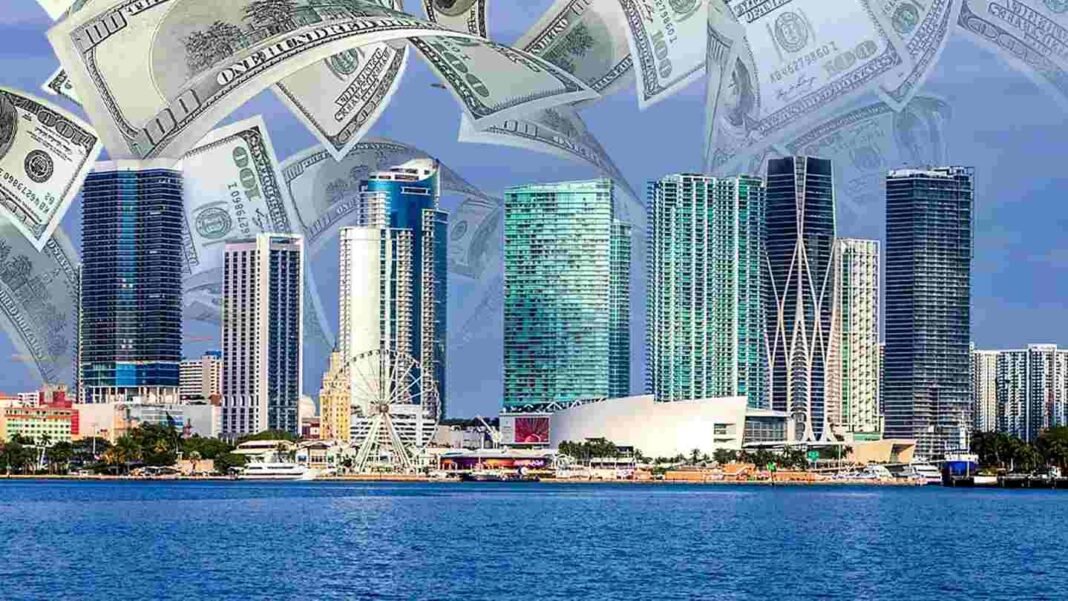

TALLAHASSEE, Fla. — Florida’s economy continues to rank among the strongest in the United States, with new economic forecasts showing the Sunshine State is expected to outperform national growth for another year. Yet while state leaders point to strong job creation, business investment, and population gains as evidence of continued success, many Floridians are feeling the pressure of rising housing, insurance, and living costs.
Economic analysts say Florida enters the second half of 2026 from a position of strength. The state’s unemployment rate remains below the national average, economic output continues to expand, and business leaders remain optimistic about Florida’s long-term competitiveness. However, the rapid growth that helped fuel Florida’s post-pandemic boom is beginning to moderate as affordability concerns reshape migration patterns and consumer spending.
Florida Still Leading the Nation
According to the Florida Chamber Foundation’s 2026 Economic Outlook, Florida’s economy is expected to exceed national GDP growth again this year, continuing a trend that has seen the state outperform the nation for several consecutive years. Analysts project steady growth across employment, business development, and consumer activity despite broader economic uncertainty across the country.
The report notes that Florida’s unemployment rate is projected to remain between 4.2% and 4.3%, maintaining a labor market that has consistently performed better than national averages since 2020. Economic leaders credit Florida’s diversified economy, favorable tax environment, and continued business relocations for helping sustain growth.
“Florida is entering 2026 from a position of strength,” economists wrote in the report, emphasizing that slower growth does not necessarily indicate weakness but rather a normalization following years of extraordinary expansion.
Rising Costs Becoming a Political and Economic Issue
While Florida’s top-line economic numbers remain positive, affordability is emerging as one of the state’s biggest challenges.
Housing prices have stabilized in many areas, but homeownership remains out of reach for many middle-class families. Insurance premiums continue to strain household budgets, particularly in coastal communities, while inflation and higher living costs have led some residents to reconsider staying in Florida altogether.
Recent demographic data shows Florida’s migration boom has slowed significantly compared to the pandemic years. Analysts attribute much of the slowdown to affordability concerns, particularly among working-age residents and middle-income families who are increasingly finding it difficult to keep up with housing and insurance expenses.
The issue is quickly becoming a major topic in Tallahassee, where lawmakers and Gov. Ron DeSantis continue debating property tax reform and other proposals aimed at easing financial pressure on homeowners.
Housing Market Showing Signs of Stabilization
Despite affordability concerns, economists say Florida’s housing market appears to be moving toward a more balanced environment after years of volatility.
Mortgage rates have eased modestly from recent highs, inventory levels have improved, and home sales have begun recovering in many markets across the state. Industry experts believe these trends could help improve conditions for buyers throughout the remainder of 2026.
However, housing conditions vary significantly by region. Some areas continue to see strong demand, while others are experiencing price corrections following the rapid appreciation that occurred during the pandemic-era housing boom. Rising insurance costs remain a major concern for both buyers and sellers.
Tourism and Business Investment Remain Economic Engines
Tourism continues to serve as a cornerstone of Florida’s economy, supporting hundreds of thousands of jobs across hospitality, transportation, entertainment, and retail sectors.
Meanwhile, Florida continues attracting corporate relocations, entrepreneurs, and investment capital, particularly in South Florida, Tampa Bay, Jacksonville, and Central Florida. Economic development leaders say these investments are helping diversify the state’s economy beyond its traditional tourism base.
Florida’s economy now generates approximately $1.8 trillion in economic activity annually, making it one of the largest economies in the world if measured as an independent nation.
Looking Ahead
The outlook for Florida remains largely positive, but economists caution that affordability may become the defining issue of the state’s next phase of growth.
Strong job creation, tourism, and business investment continue to provide momentum, yet policymakers face increasing pressure to address housing costs, insurance premiums, infrastructure demands, and workforce retention.
For now, Florida remains one of America’s economic success stories. Whether that success can be sustained over the long term may depend on how state leaders balance continued growth with the growing affordability concerns facing millions of Floridians.