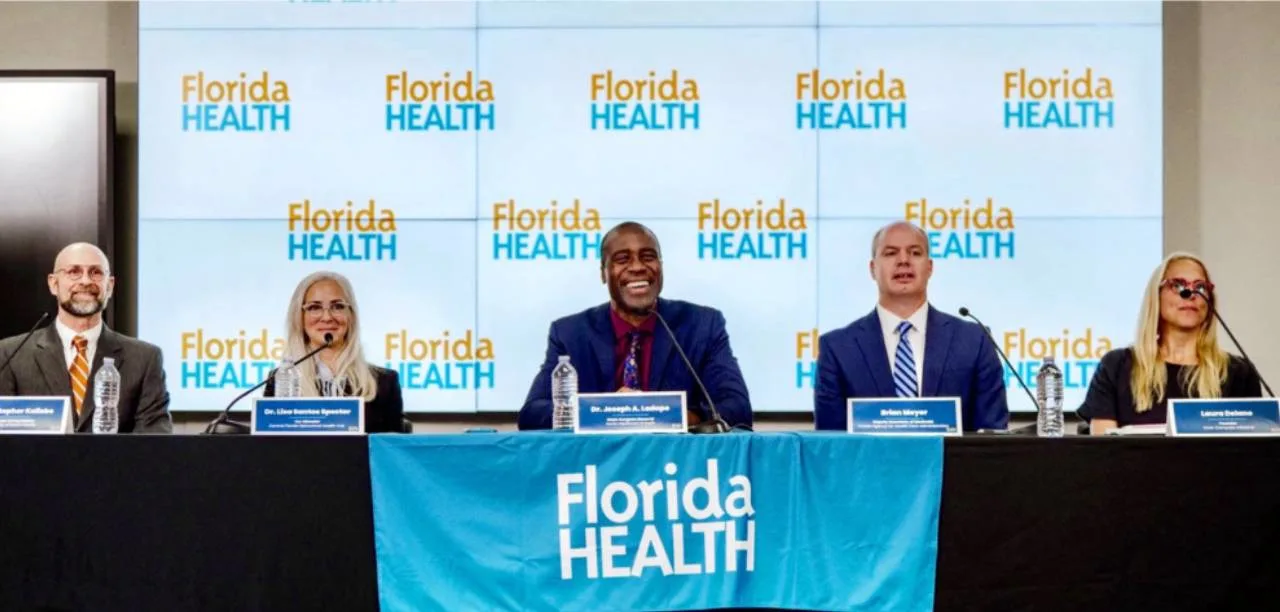
TALLAHASSEE, Fla. — Florida Surgeon General Joseph Ladapo is recommending against the use of psychotropic medications to treat depression, anxiety and attention-deficit disorders in children, issuing guidance that could intensify debate over how young patients receive mental-health care.
The two-page guidance statement, dated July 24, cautions health-care providers about prescribing psychiatric medications to children ages 5 through 17.
“The State Surgeon General recommends against the use of psychotropic drugs in children for treatment of mental health conditions such as depression, anxiety, or attention-deficit related disorders,” the document states.
The recommendation is advisory. It does not ban the medications, change Florida law or independently prevent licensed clinicians from prescribing them.
Florida Recommends Broader Evaluations Before Medication
The Florida Department of Health said children should undergo comprehensive evaluations before beginning treatment for mental or behavioral disorders, except during emergencies.
The recommended evaluation includes:
- A complete health history
- A psychosocial assessment
- A mental-status examination
- A physical examination
- Reviews of sleep, electronic-screen use and unstructured play
- Possible laboratory testing for nutritional, endocrine, blood, heavy-metal and mold-related conditions
The guidance also recommends beginning psychotherapy before considering medication in mild cases and offering parents training in evidence-based behavior management.
Additional recommendations include regular physical activity, dietary changes, reduced consumption of processed foods and sugar, and substantially limiting screen time.
The department presented the guidance during a youth mental-health roundtable hosted by Ladapo in Orlando. Representatives from health care, behavioral health and education participated, according to the department’s announcement.
“Mental health challenges among youth can affect physical health, academic performance, social development, and overall quality of life,” Ladapo said.
He said families should receive clear information about the benefits, risks and alternatives before deciding how a child will be treated.
State Raises Concerns About Prescribing Practices
The guidance says many psychotropic medications do not carry Food and Drug Administration-approved labeling for children and that their long-term effects on young patients are not fully understood.
However, some psychiatric medications are FDA-approved for specific pediatric conditions and age groups.
For example, the FDA says fluoxetine—commonly sold under the brand name Prozac—is approved for treating depression in children, while fluoxetine and escitalopram are approved for adolescents. Certain medications are also approved for pediatric attention-deficit/hyperactivity disorder, obsessive-compulsive disorder and symptoms associated with other conditions.
That distinction is important because the state’s recommendation addresses psychotropic drugs broadly, while federal approvals and clinical recommendations vary according to the medication, diagnosis and patient’s age.
The state document reports that 14.9% of children ages 5 through 17 received some form of mental-health treatment during the previous year, citing 2021 National Health Interview Survey data. Eight percent took medication, while 11.5% received therapy or counseling.
Psychiatric Specialists Recognize a Role for Medication
The American Academy of Child and Adolescent Psychiatry says medication may be appropriate for some children when prescribed after a careful evaluation and incorporated into a broader treatment plan.
Its family guidance on psychiatric medications, updated in June 2026, emphasizes diagnosis, medical history, monitoring, family participation and discussion of risks and benefits.
The professional organization does not recommend a universal rejection of psychiatric medication. Instead, it says prescribing decisions require individualized clinical judgment from qualified professionals.
That creates a significant point of contrast with Ladapo’s broader recommendation against using psychotropic medications for several common childhood conditions.
The Florida Pundit has requested or should request responses from state and national pediatric and psychiatric organizations regarding the guidance.
Guidance Warns Against Abruptly Stopping Medication
The Department of Health specifically warns parents and providers not to discontinue a child’s medication abruptly.
When deprescribing is considered, the guidance says providers must examine the risks associated with the individual drug, the length of use and interactions involving multiple medications. Some drugs may require gradual dose reductions.
Parents should consult their child’s licensed health-care provider before changing or stopping any prescribed treatment.
Questions Remain About Florida Medicaid Policy
Florida Medicaid already requires the express and informed consent of a parent or legal guardian before paying for psychotropic medication prescribed to a child.
Physicians must document that consent in the patient’s medical record and provide the pharmacy with an attestation, according to the Agency for Health Care Administration.
AHCA Secretary Shevaun Harris participated in the state’s announcement and said psychotropic medications can play an important role when clinically appropriate and medically necessary.
She added that medication should not substitute for individual therapy or other psychosocial care.
It remains unclear whether the new guidance will produce changes to Florida Medicaid coverage, prior-authorization requirements, professional regulations or state treatment protocols.
Because the document is guidance rather than an administrative rule, any enforceable policy change would require additional action by the responsible agency or regulatory board.
Debate Expected Over Florida’s Recommendation
The guidance places Florida in the middle of a consequential medical-policy debate: whether psychiatric medications are prescribed too readily to children and whether a broad recommendation against their use could discourage appropriate treatment in serious cases.
Florida officials emphasize comprehensive evaluation, psychotherapy, parental involvement and lifestyle factors. Pediatric mental-health specialists generally support those safeguards but also recognize medication as an evidence-based option for certain diagnoses and patients.
Whether the guidance changes clinical practice will depend on how providers, insurers, Medicaid officials and medical regulators respond.
Sources
- Florida Department of Health guidance statement
- Florida Department of Health roundtable announcement
- Florida Medicaid behavioral-health medication resources
- AACAP guidance for families
- FDA information about depression medicines