
TALLAHASSEE, Fla. — Florida voters are one step closer to deciding the future of property taxes after the Legislature approved a constitutional amendment that would dramatically increase the state’s homestead exemption and potentially reshape local government finances.
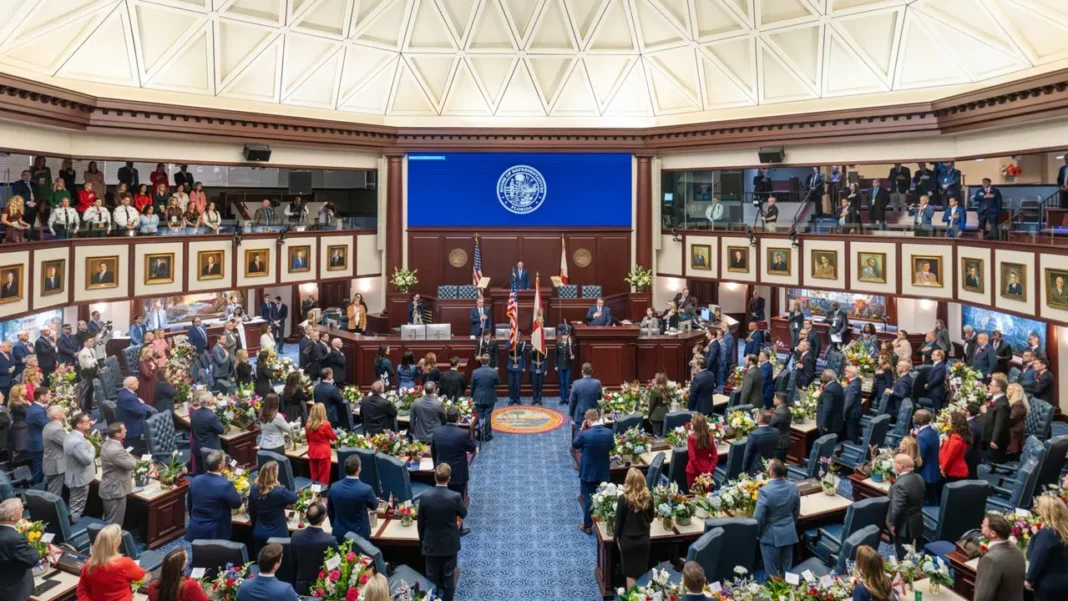
The Florida Senate voted 30-9 Tuesday to place the proposal on the November ballot after the House approved the measure by a 75-26 margin.
The amendment, a major priority of Gov. Ron DeSantis, would increase Florida’s homestead exemption to $150,000 in 2027 and $250,000 in 2028 if approved by at least 60% of voters. Future increases would be tied to inflation through the Consumer Price Index.
School taxes would remain subject to the existing $25,000 exemption and would not receive the expanded tax break.
“We wanted to make sure that if this were to pass in November, our K-12 system wouldn’t be in a deficit,” House Speaker Daniel Perez said following the vote.
What the Amendment Would Do
Under the proposal:
- Homestead exemptions would increase to $150,000 in 2027.
- Homestead exemptions would increase again to $250,000 in 2028.
- Future increases would be tied to inflation.
- School taxes would remain exempt from the changes.
- The homestead benefit would remain portable when homeowners move.
- Assessment increases on non-homestead property would be capped at 5% annually.
The measure would also limit local government spending primarily to public safety, infrastructure, schools, pensions, debt obligations, and constitutional county offices.
Supporters Call It Historic Tax Relief
Supporters argue the proposal provides meaningful tax relief for Florida homeowners at a time when property values and housing costs continue to rise.
Senate President Ben Albritton described the amendment as a fitting way to mark America’s 250th anniversary.
“What better way to celebrate America’s 250th anniversary than a massive property tax cut through a $250,000 homestead exemption for Floridians,” Albritton said.
Sen. Bryan Ávila, the Senate sponsor, argued the proposal would help restore the traditional goal of homeownership while protecting core government services.
“This amendment takes a historic step, providing meaningful relief for Florida families while protecting businesses from extreme tax increases and safeguarding local funding for education, law enforcement, infrastructure, and other essential government functions,” Ávila said.
Gov. DeSantis has made property tax relief a cornerstone issue and received praise from House Speaker Perez for helping drive the conversation.
Critics Warn of Budget Consequences
Democrats and local government leaders raised concerns that the amendment could significantly reduce local tax revenue and force difficult budget decisions.
Opponents argue cities and counties may be forced to cut services, increase fees, or seek additional state assistance if property tax collections decline.
Rep. Robin Bartleman questioned the speed of the proposal’s movement through the Legislature and argued more financial analysis should have been completed before sending the measure to voters.
Other lawmakers expressed concerns about how smaller municipalities with limited tax bases could absorb the revenue loss.
Supporters countered that local governments would need to reevaluate priorities and spending decisions while preserving essential services.
November Vote Will Decide
Because the proposal amends Florida’s Constitution, it must receive support from at least 60% of voters statewide in November to take effect.
If approved, the measure would represent one of the largest property tax changes in modern Florida history and could significantly affect homeowners, local governments, and future budget planning across the state.
Why It Matters
Property taxes have become one of Florida’s most discussed political issues as home values continue rising across the state.
The amendment offers the prospect of significant tax savings for many homeowners but also raises questions about how local governments would replace lost revenue. Ultimately, Florida voters will have the final say when the proposal appears on the statewide ballot this November.