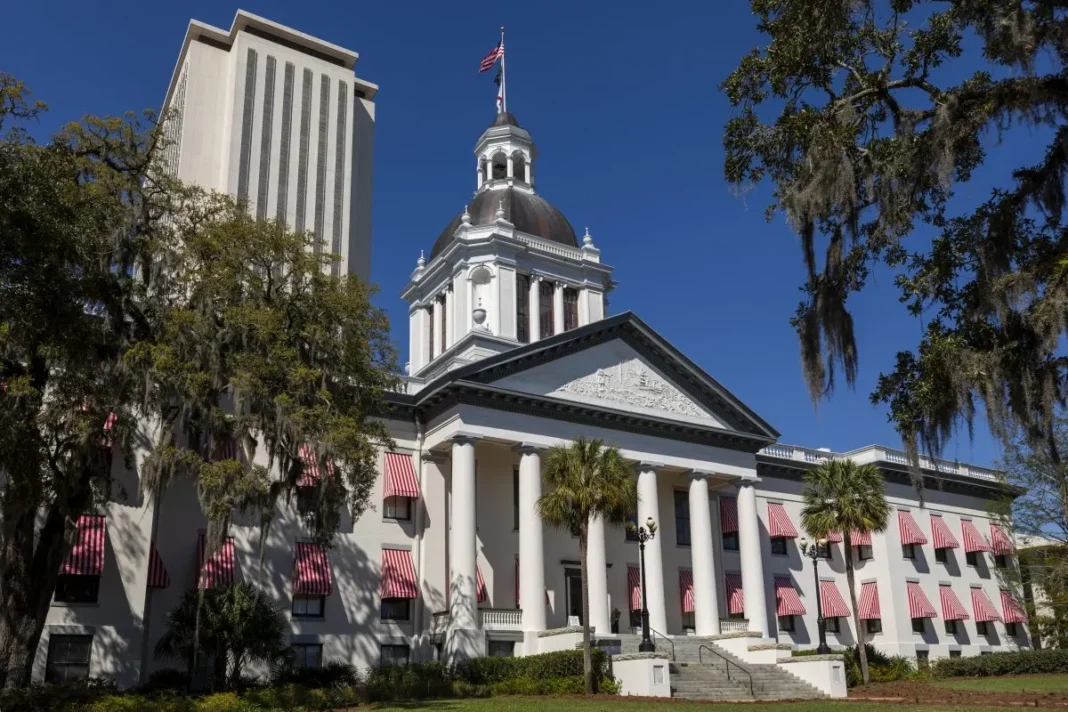

TALLAHASSEE, Fla. — A proposed Florida constitutional amendment designed to provide property tax relief to homeowners could reduce revenue for local governments by nearly $12 billion annually within five years, according to projections released by state economists.
The analysis, prepared for the Financial Impact Estimating Conference, found that cities, counties, and special taxing districts could lose approximately $4.9 billion during the first year after implementation if voters approve the measure in November 2026. By the fifth year, those losses could grow to nearly $12 billion annually.
The proposal, strongly supported by Gov. Ron DeSantis and legislative allies, would significantly increase Florida’s homestead property tax exemption, reducing taxable values for many homeowners while also extending benefits to certain non-homestead property owners.
The amendment is expected to become one of the most closely watched ballot questions facing Florida voters this year.
What the Amendment Would Do
If approved by at least 60% of voters, the constitutional amendment would increase the state’s homestead exemption from its current levels to:
- $150,000 beginning in 2027
- $250,000 beginning in 2028
Future increases would then be tied to inflation through the Consumer Price Index.
Supporters argue the proposal would provide meaningful relief to Florida homeowners who continue facing rising insurance premiums, housing costs, and inflation-related pressures.
Advocates also contend that Florida residents deserve additional protections against rapidly increasing property tax burdens as home values continue to climb across much of the state.
Local Governments Warn of Budget Impacts
While homeowners could benefit from lower tax bills, local government leaders have raised concerns about the potential loss of revenue used to fund public services.
Cities, counties, fire districts, and other local taxing authorities rely heavily on property taxes to fund:
- Public safety services
- Fire rescue operations
- Infrastructure projects
- Parks and recreation programs
- Local government operations
Under the state projections, revenue reductions would grow significantly over time as the expanded exemption takes effect and property values continue to increase.
Some local officials have warned that governments may ultimately face difficult decisions involving spending reductions, service adjustments, or alternative revenue sources.
Supporters See Long-Term Tax Relief
Supporters of the amendment argue that Florida homeowners have shouldered rising costs for years and deserve relief.
Property taxes have become a growing political issue across the state, particularly as insurance premiums and housing costs continue to strain household budgets.
Gov. DeSantis and legislative supporters have repeatedly emphasized that Florida taxpayers should keep more of their money and benefit from the state’s strong economic growth.
Backers of the proposal believe the measure would help make homeownership more affordable while providing long-term financial stability for Florida families.
Critics Question Fiscal Consequences
Opponents do not necessarily dispute the need for tax relief but argue the amendment could create unintended consequences for local communities.
Critics contend that substantial reductions in local government revenue could place pressure on public services and infrastructure spending, particularly in fast-growing areas.
Questions also remain about how local governments would replace lost revenue if the amendment is approved.
Those concerns are expected to become a central issue during the campaign leading up to the November election.
Why It Matters
The proposed property tax amendment could become one of the most consequential ballot measures Florida voters consider in 2026.
The debate ultimately comes down to competing priorities:
Should Florida provide billions of dollars in additional tax relief to property owners, or should local governments retain those revenues to fund services and future growth?
Voters will have the final say in November.
As campaigns on both sides begin making their case, the amendment is likely to remain at the center of Florida’s political debate through Election Day.