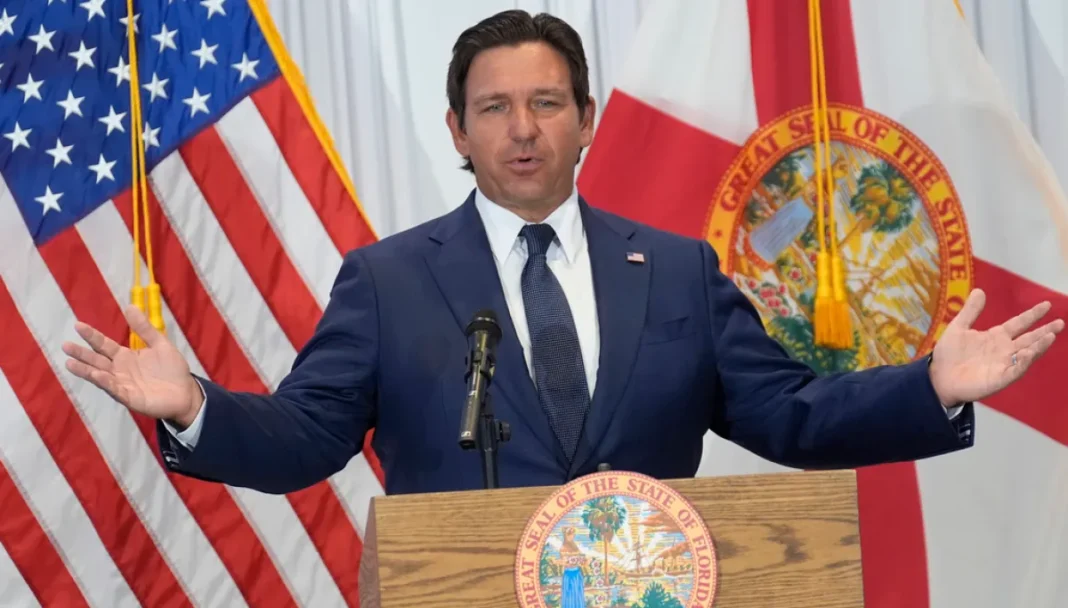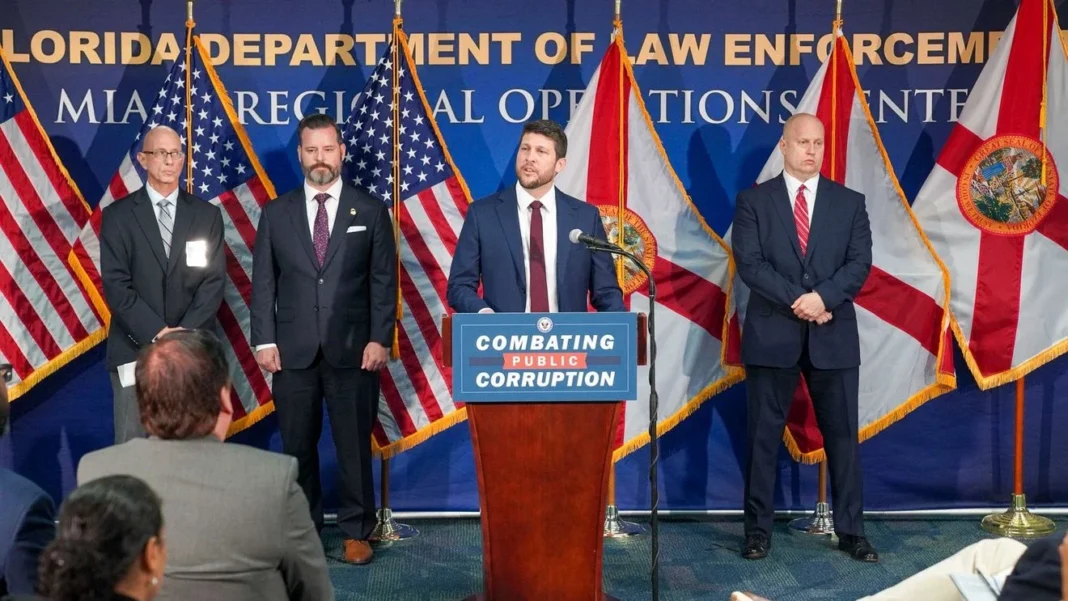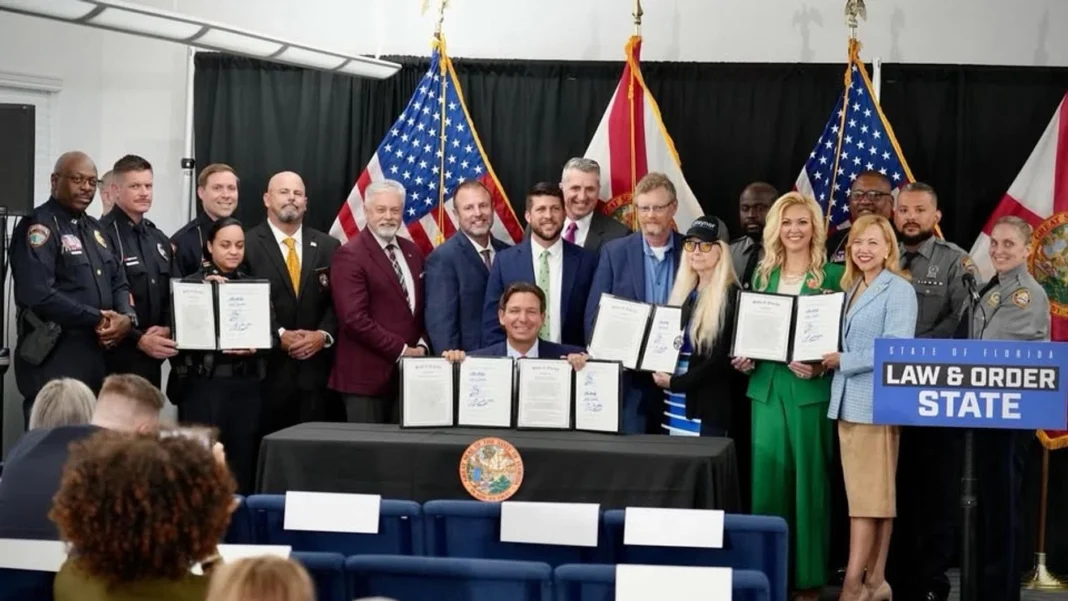

Florida law enforcement officers will receive expanded legal protections under a new law signed Tuesday by Gov. Ron DeSantis, a measure supporters say strengthens public safety while critics warn it could limit citizens’ ability to challenge unlawful police actions.
The legislation, known as the Officer Jason Raynor Act, was approved by the Florida Legislature earlier this year and takes effect immediately.
Named after Daytona Beach Police Officer Jason Raynor, who was fatally shot in the line of duty in 2021, the law was inspired in part by concerns surrounding the sentence imposed on Raynor’s killer. Supporters argued existing penalties failed to adequately reflect the seriousness of attacks targeting law enforcement officers.
Under the new law, individuals convicted of killing a law enforcement officer face a mandatory sentence of life in prison without the possibility of parole.
“The message we send with this bill is simple: If you attack a law enforcement officer in the state of Florida, prepare to be held accountable,” DeSantis said during a bill-signing event in Winter Haven.
The legislation also changes Florida law regarding the use of force during encounters with police officers. Under the measure, individuals may not claim self-defense while resisting an officer acting in good faith, even if the officer’s actions are later determined to be unlawful.
Supporters say the change is intended to reduce violent confrontations and ensure disputes involving law enforcement are resolved through the legal system rather than on the street.
“These bills are not about placing officers above the law. They are about making it clear that disagreements are resolved through the courts, not through violence,” Winter Haven Police Chief Vance Monroe said.
The measure received overwhelming support from lawmakers during the legislative session and was backed by law enforcement organizations across the state.
However, not all lawmakers supported the proposal.
State Sen. Lavon Bracy Davis argued the legislation could place citizens in difficult situations when confronted with excessive force.
“This bill asks people to endure force first and perhaps seek justice later, even when that force is excessive or plainly unlawful,” Bracy Davis said during legislative debate.
Others raised concerns about the law’s sentencing provisions.
State Sen. Carlos Guillermo Smith criticized the mandatory life sentence requirement, arguing it removes judicial discretion from future courts.
“Creating a mandatory life sentence for the manslaughter of a police officer gives future courts and future judges no opportunity to consider any of the circumstances during sentencing,” Smith said.
Why It Matters
The Officer Jason Raynor Act represents one of the most significant law enforcement measures approved during Florida’s 2026 legislative session.
Supporters view the law as a strong statement in support of police officers and public safety, while critics warn it could alter the balance between law enforcement authority and individual rights.
The debate highlights broader national conversations surrounding policing, criminal justice reform, and the legal standards governing interactions between citizens and law enforcement.
For DeSantis, the measure also reinforces his long-standing support for law enforcement as he continues advancing a law-and-order agenda in Florida.
What’s Next
The Officer Jason Raynor Act is now in effect statewide. Law enforcement agencies, prosecutors, defense attorneys, and courts will begin operating under the new legal standards immediately as future cases test the law’s impact and scope.