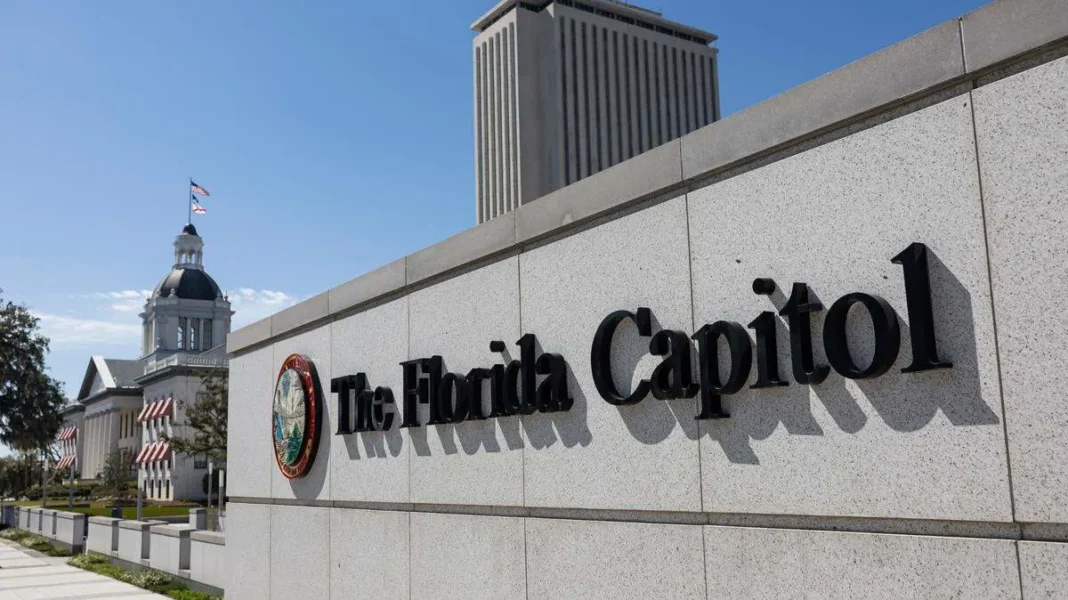

Florida lawmakers have reached a final agreement on a nearly $115 billion state budget following weeks of negotiations and an extended legislative session in Tallahassee.
The budget deal comes after disagreements between state House and Senate leaders delayed the normal legislative schedule and forced lawmakers into additional meetings to finalize spending priorities ahead of the 2026 election cycle.
The finalized budget includes funding for education, infrastructure, healthcare, environmental projects, and public safety while also reflecting ongoing debates over government spending and fiscal policy in Florida.
One of the largest areas of discussion centered around higher education funding, with lawmakers debating how much money should be allocated toward Florida universities, workforce development programs, and public colleges.
Republican leaders pushed for tighter oversight of spending while continuing to prioritize programs tied to workforce training and economic development.
Lawmakers also discussed potential spending reductions in several state agencies as conservatives in the legislature continue pushing for smaller government and lower long-term spending growth.
Despite internal disagreements, legislative leaders ultimately described the budget agreement as fiscally responsible while maintaining investments in key state services.
The nearly $115 billion spending plan arrives as Florida continues experiencing rapid population growth, rising housing costs, insurance concerns, and increased pressure on transportation and infrastructure systems statewide.
The budget negotiations also carried major political implications ahead of the 2026 elections, where state spending, education policy, immigration, and economic affordability are expected to dominate campaign debates.
Florida Governor Ron DeSantis is expected to review the budget package before signing it into law. As in previous years, the governor may still use his line-item veto authority to remove selected projects or spending items before final approval.
The final budget agreement is being closely watched by political leaders, business groups, educators, and taxpayers across the state as Florida continues positioning itself at the center of national political and economic debates.
Republican lawmakers defended the spending package as a balanced approach that supports economic growth while avoiding the large deficits and financial instability seen in other states.
Democrats, meanwhile, argued that lawmakers should have invested more heavily in affordable housing, public education, and healthcare access for working families struggling with inflation and rising living costs.
The budget is expected to officially take effect at the start of Florida’s next fiscal year later this summer.