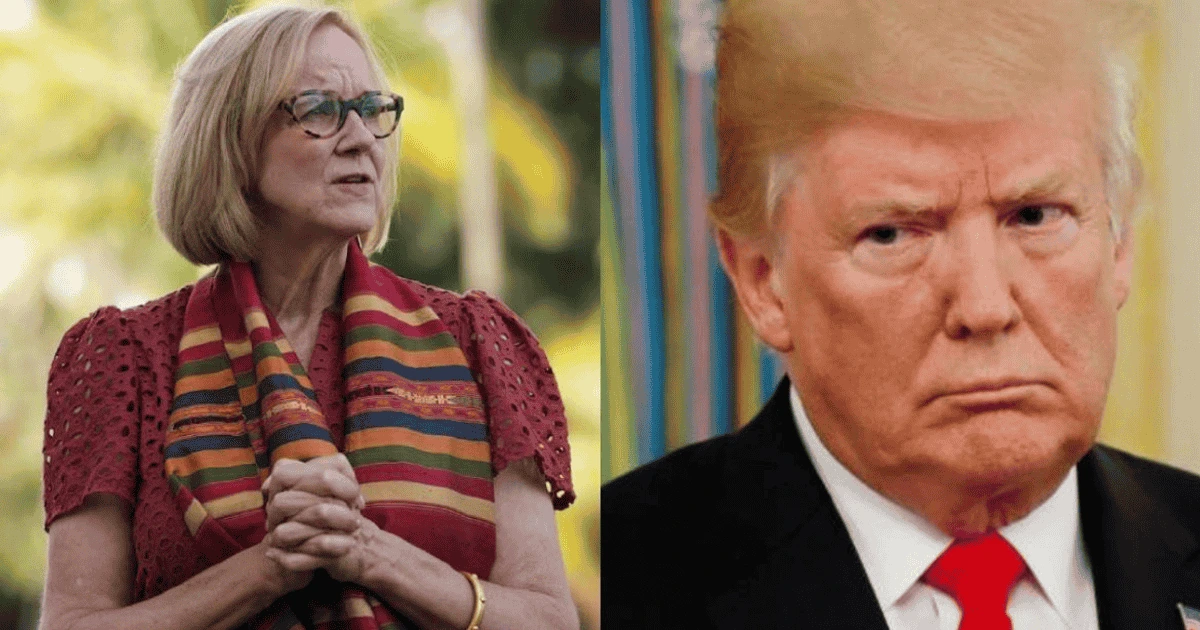
The Democrat defeated Trump-backed Emilio González by nearly 19 percentage points, becoming Miami’s first woman mayor—but the result did not constitute a wholesale partisan takeover of City Hall.
UPDATED — August 1, 2026
MIAMI — Eileen Higgins’ victory in Miami’s 2025 mayoral runoff marked a historic political shift, making her the city’s first woman mayor and the first Democrat elected to the office since 1997.
Higgins defeated former Miami City Manager Emilio González in the Dec. 9 runoff, receiving 22,145 votes, or 59.46%, compared with González’s 15,099 votes, or 40.54%, according to the official Miami-Dade County election results.
The nearly 19-point victory attracted national attention because González, a Republican, had been endorsed by President Donald Trump, Gov. Ron DeSantis, U.S. Sen. Rick Scott and other prominent Republicans.
Although Miami municipal elections are officially nonpartisan, both candidates’ political affiliations and national endorsements became central features of the campaign.
National Politics Entered a Local Race
Higgins’ victory came one year after Trump carried Miami-Dade County in the 2024 presidential election, becoming the first Republican presidential nominee to win the county since 1988.
That contrast made the mayoral result politically significant. Democrats presented Higgins’ victory as evidence that they could remain competitive in Miami when campaigns focused on housing costs, government integrity and neighborhood services.
However, the result cannot be attributed solely to opposition to Trump. Higgins, a former Miami-Dade County commissioner, campaigned primarily on affordable housing, permitting reform, transportation, public safety and restoring trust in a City Hall that had faced years of controversy.
González also entered the runoff after helping successfully challenge an attempt by city commissioners to postpone the 2025 election and extend existing terms.
What the Election Changed—and What It Did Not
Higgins’ election placed a Democrat in the mayor’s office for the first time in 28 years, but describing the result as a complete liberal takeover of Miami City Hall overstates what one election changed.
Under Miami’s governing structure, the mayor serves as the city’s chief executive, while the separately elected five-member City Commission remains the city’s primary legislative body. Commissioners pass ordinances, approve the budget and exercise powers that are not specifically assigned to the mayor or city manager under the charter.
That division of authority means the mayor cannot unilaterally impose tax increases, rewrite policing policies or enact a broad ideological agenda without action from the commission.
Higgins nevertheless gained significant influence over the direction of city government. She nominated James Reyes as city manager in December 2025, and Reyes was sworn into the position in January.
In July 2026, Higgins also assumed the chair of the Miami City Commission, giving her responsibility for presiding over meetings and managing debate as the city prepares its first budget under her administration.
Higgins’ Priorities at City Hall
According to the City of Miami, Higgins’ priorities include accelerating housing construction, modernizing infrastructure, improving mobility, supporting small businesses and reforming city operations.
Her administration has promoted faster permitting and transit-oriented development while continuing the city’s existing work on flooding, extreme heat and climate resilience.
Those policies will provide measurable tests of her administration. Residents and businesses will be able to evaluate whether the changes improve services and housing affordability—or produce higher costs and additional regulation.
Higgins’ election unquestionably represented a political setback for Republicans in Miami. But the more important question is not whether City Hall is controlled by “liberals” or “conservatives.” It is whether the new administration delivers transparent government, responsible budgeting, effective public safety and better services for Miami residents.
Related Coverage
- Miami-Dade Runoff Election: Voters in Three Cities Head to the Polls
- Miami Commission Faces Pressure Over ICE Partnership
- Miami $20 Million Funding Freeze Raises Government Oversight Questions
Editor’s note: This article was substantially revised on Aug. 1, 2026, to include certified election results, clarify Miami’s form of government and remove unsupported characterizations from the original version.
MIAMI — A political shift years in the making became official this week as a new liberal coalition effectively seized control of Miami City Hall, ending the city’s decade-long right-leaning governance and raising questions about what the transformation will mean for taxpayers, public safety, and the city’s political identity.
The takeover, driven by progressive activists, Democratic organizers, and long-time critics of former President Donald Trump, marks one of the most significant ideological pivots in Miami’s modern political history. What was once a reliably center-right city — especially on issues of crime, spending, and foreign influence — has now swung firmly into the orbit of national liberal politics.
At the heart of the shift is a surge in anti-Trump sentiment that intensified during the 2024 and 2025 cycles. While Miami has its share of voters who backed Trump enthusiastically, the opposition worked more aggressively, capitalizing on demographic changes, transplants from blue states, and frustration over local scandals tied to outgoing officials.
Progressive leaders argue that the change brings “modernization,” “inclusion,” and a “new vision.” However, conservatives warn that Miami — famous for low taxes, streamlined permitting, and pro-business governance — may now face the same fiscal, policing, and regulatory challenges seen in other Democrat-run metro areas.
Despite the celebratory tone among Miami’s newly empowered liberal figures, the transition is uneasy. Business groups are already signaling concern over possible tax hikes. Law-and-order advocates fear changes to police staffing and enforcement priorities. Longtime residents worry the city could slip into ideological experiments instead of focusing on core services.
Still, the new leadership insists they will govern responsibly and deny accusations of radicalism. Whether Miami’s dramatic political turn is a temporary reaction or a durable realignment will unfold in the coming months — but both sides agree on one point: the era defined by Trump-aligned politics at Miami City Hall has come to an abrupt close.