
Lt. Gov. Jay Collins is sharpening his contrast with fellow Republican gubernatorial candidates, arguing that some of his rivals are incapable of winning either the Republican nomination or the general election as he continues to make his case to Florida voters.
Speaking on The Thornton Review podcast, Collins said his decision to enter the Governor’s race was driven in part by his assessment of the current field of candidates seeking to succeed term-limited Gov. Ron DeSantis.
“When I made the decision, it came down to the candidates in the race. We researched our backgrounds, how they communicated, what they did, and whether they could win the Primary and the General Election,” Collins said.
“What I found are people who could win a Primary and lose a General, people who can’t win a Primary but could win a General, and people who wouldn’t win either one.”
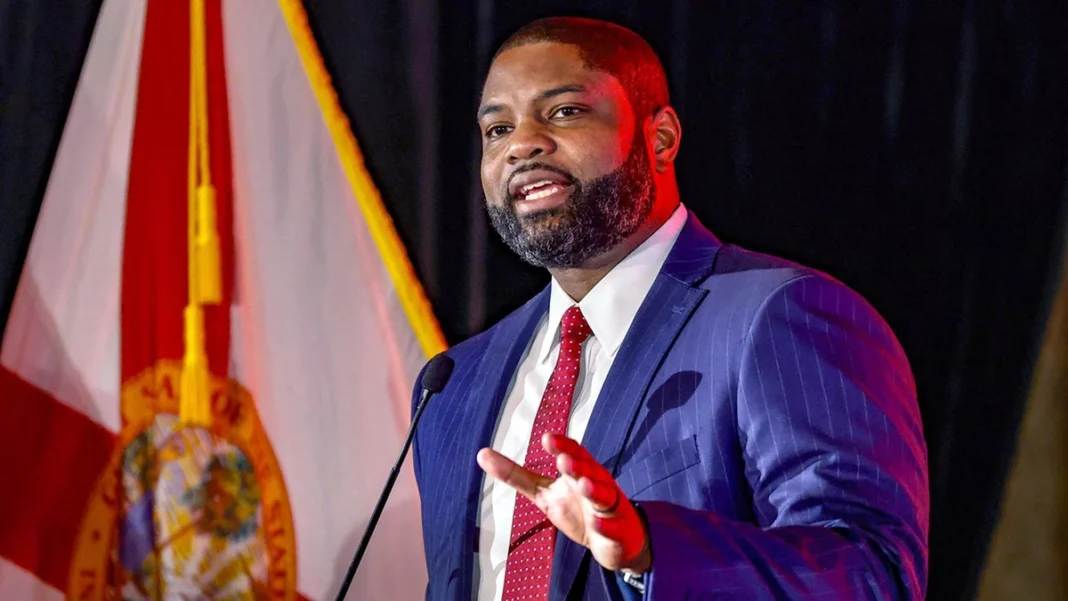
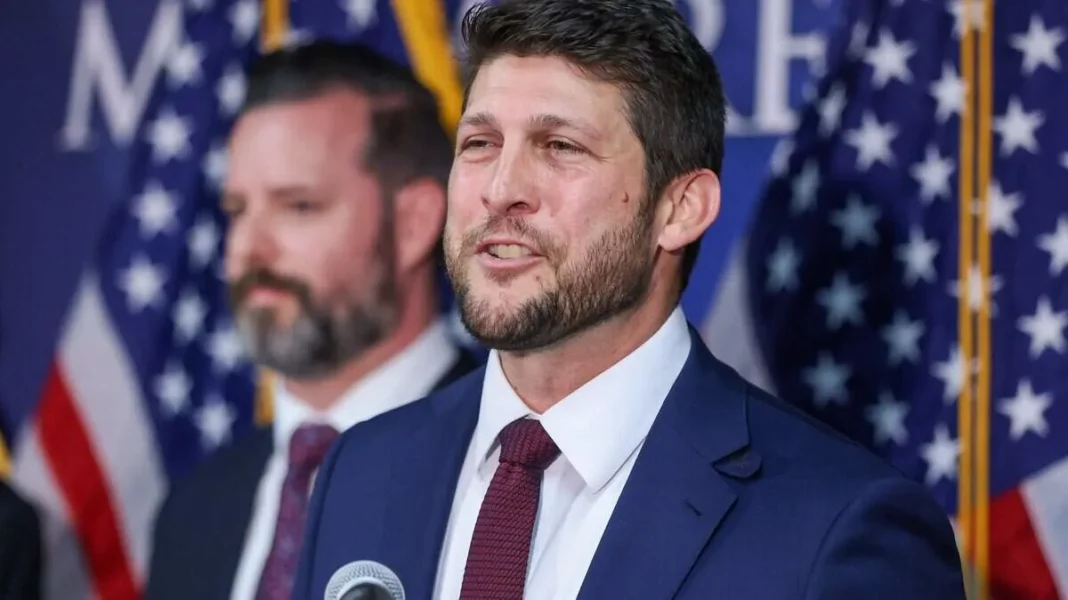
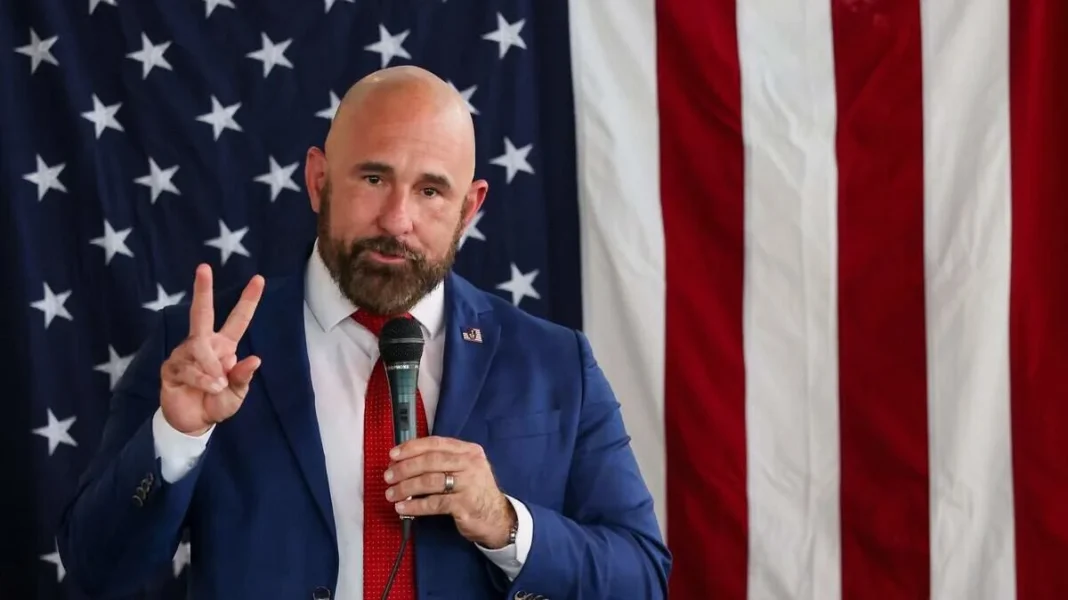
Collins did not identify which of his Republican rivals — including Byron Donalds, Paul Renner, and James Fishback — fit into those categories.
Collins Makes His Electability Case
The comments reflect Collins’ effort to present himself as the Republican candidate best positioned to unite voters and win statewide in November.
The former Green Beret and current lieutenant governor has argued that his military service, executive branch experience, and close association with the DeSantis administration make him uniquely qualified to continue Florida’s conservative policy agenda while appealing to a broad coalition of voters. Collins’ military background, political record and positions on key issues are detailed in The Florida Pundit’s Jay Collins 2026 candidate profile.
The challenge for Collins remains translating that message into support at the ballot box.
Public polling has consistently shown Donalds leading the Republican field by a significant margin. Collins has maintained that internal polling shows his support is stronger than publicly available surveys indicate, though his campaign has not released detailed methodology or results.
Debate Dispute Remains a Flashpoint
Collins has also emerged as one of the most outspoken critics of the Republican Party of Florida’s gubernatorial debate requirements.
Under current rules, candidates must reach 10% support in a party-approved poll, raise more than $10 million, and attract at least 10,000 donors to qualify for an officially sanctioned debate.
Those requirements currently leave Donalds as the only candidate eligible to participate.
The debate issue has become a source of frustration for Collins and other candidates who argue voters deserve a broader public discussion before choosing a nominee.
Republican Party of Florida Chairman Evan Power has defended the standards, saying they ensure only candidates with a viable statewide path receive a debate platform.
Donalds Continues to Build Momentum
While Collins works to gain traction, Donalds continues to strengthen his position through fundraising, endorsements, and polling advantages.
The congressman recently secured the endorsement of the Florida Farm Bureau, adding another influential organization to a growing list of supporters. Combined with President Donald Trump’s endorsement and a sizable fundraising advantage, Donalds remains the clear front-runner in the race to succeed DeSantis.
That dynamic is forcing rival candidates to increasingly focus on electability and general election viability as they seek opportunities to close the gap.
Why It Matters
Collins’ remarks signal that Florida’s Republican gubernatorial primary is entering a more confrontational phase.
Rather than simply introducing themselves to voters, candidates are beginning to challenge one another’s ability to win both the nomination and the general election. With debates, endorsements, fundraising reports, and polling all shaping the race, questions about electability are likely to become a central theme of the campaign.
As the field takes shape, Republican voters will ultimately decide whether Donalds’ early dominance is insurmountable or whether challengers like Collins can make a compelling case for a different path forward.