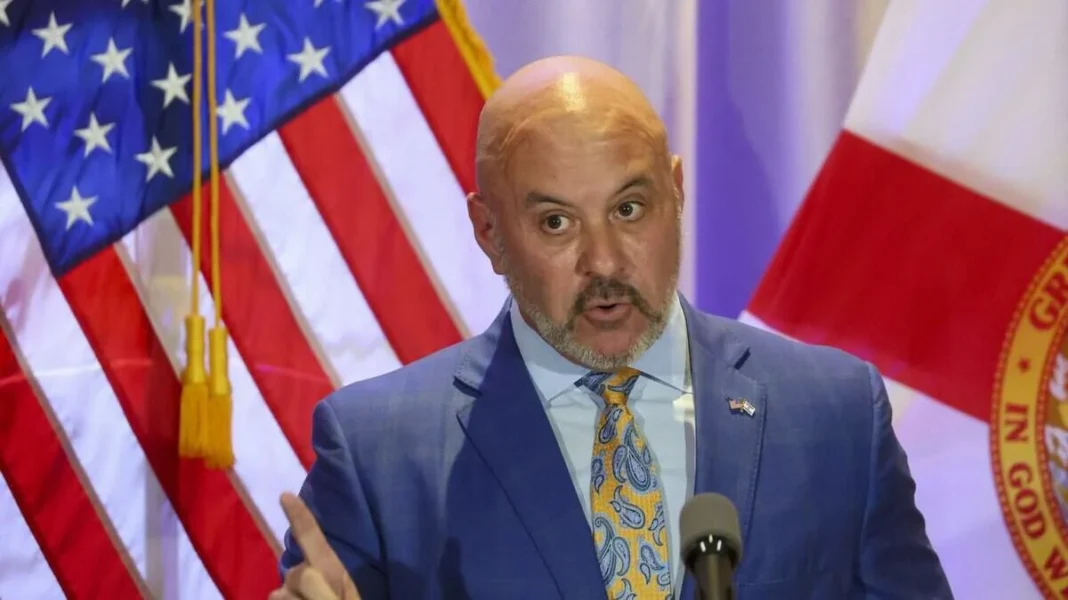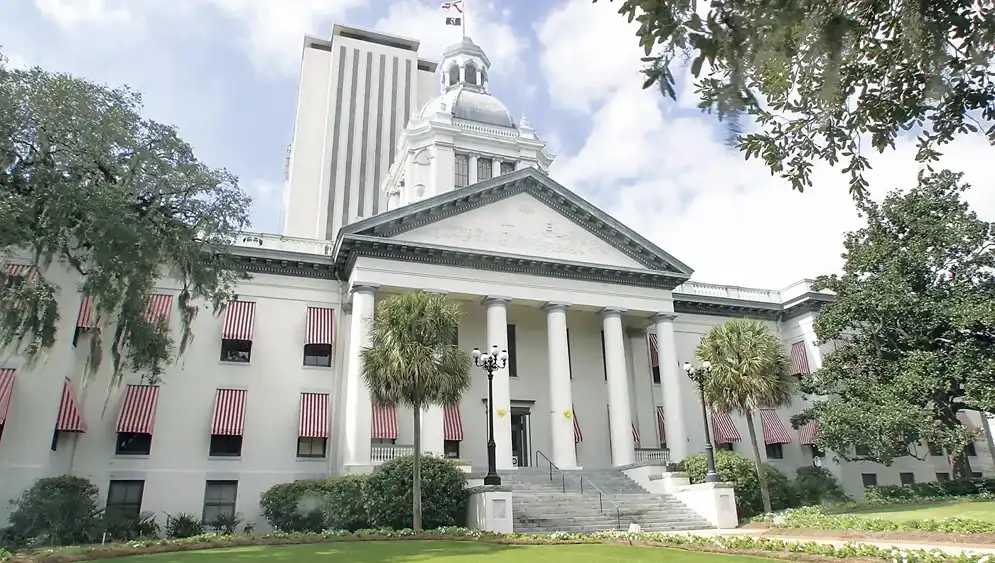

A heated Democratic primary in South Florida is exposing growing divisions within the party over race, representation, and the political consequences of Florida’s newly approved congressional map.
U.S. Rep. Debbie Wasserman Schultz’s decision to seek election in Florida’s 20th Congressional District has triggered criticism from Democratic rivals and Black political leaders who argue the move could diminish Black representation in Congress.
➡ Follow our complete coverage on the Florida Elections 2026 Hub
The controversy stems from Florida’s new congressional map, championed by Gov. Ron DeSantis and recently allowed to move forward after surviving legal challenges. The redistricting plan dramatically reshaped South Florida’s political landscape and eliminated Wasserman Schultz’s former district, leaving the veteran congresswoman searching for a viable path back to Washington.
Her decision to run in CD-20, a heavily Democratic district that has historically elected Black members of Congress, has turned what would normally be a safe Democratic seat into one of Florida’s most closely watched primary contests.
A Debate Over Representation
At the center of the dispute is a broader question about political representation.
CD-20 became vacant earlier this year after former U.S. Rep. Sheila Cherfilus-McCormick resigned from office. The district, which stretches across portions of Broward and Palm Beach counties, remains one of the strongest Democratic districts in Florida and has long served as a political base for Black voters.
Several candidates argue that history matters.
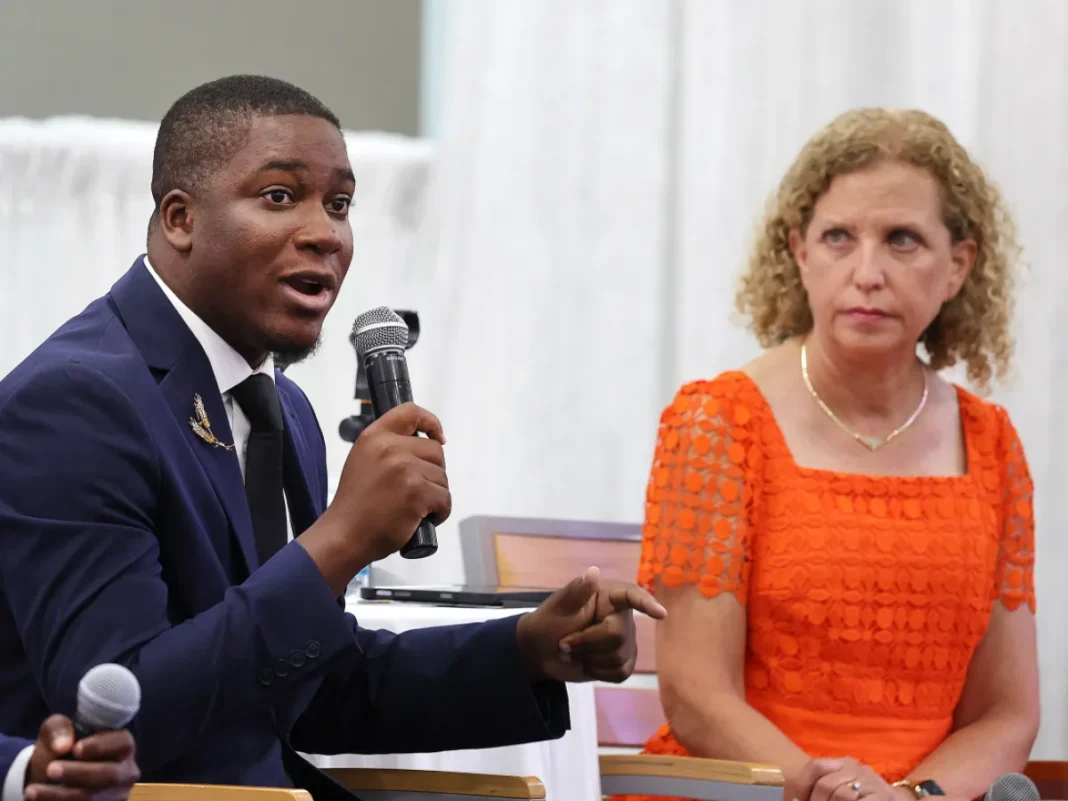
During a recent candidate forum hosted by Black Democratic leaders, Wasserman Schultz faced criticism from opponents who suggested she was seeking political survival at the expense of minority representation.
Cherfilus-McCormick, who is attempting a political comeback, accused Wasserman Schultz of entering the race because it offered a favorable opportunity to remain in Congress.
Candidate Elijah Manley framed the issue even more directly, arguing that Black political representation remains under pressure following years of redistricting battles and legal challenges involving voting rights protections.
For many activists, the race has become about more than a single congressional seat.
It has become a test of whether Florida’s changing political map will ultimately reduce opportunities for Black candidates to serve in Congress.
Fallout From Redistricting
Political analysts say the dispute is one of the clearest examples yet of the ripple effects created by Florida’s new congressional boundaries.
Supporters of the map argue it complies with constitutional requirements and better reflects Florida’s population growth and regional demographics.
Critics contend the map weakened minority voting strength in several areas while improving Republican prospects in multiple congressional districts.
The result, they argue, is that Democrats are now competing against one another for a shrinking number of safe seats.
That reality has intensified tensions inside the party as candidates seek support from the same pool of Democratic voters.
Democratic Leaders Divided
The controversy has also reached the highest levels of Democratic politics.
Florida Democratic Party Chair Nikki Fried publicly expressed disappointment with Wasserman Schultz’s decision to enter the race, noting that Democrats spent years fighting Republican-backed redistricting efforts.
Meanwhile, House Democratic Leader Hakeem Jeffries has declined to endorse Wasserman Schultz despite his traditional support for Democratic incumbents.
Even some longtime allies have voiced reservations.
State Sen. Shevrin Jones, a Miami Democrat who has often worked alongside Wasserman Schultz, said he would not support her campaign because of concerns surrounding Black political representation.
The divisions underscore the difficult political choices facing Florida Democrats following the adoption of the new congressional map.
Wasserman Schultz Defends Her Decision
Wasserman Schultz has rejected suggestions that her candidacy is opportunistic.
The congresswoman argues that she has spent decades serving Broward County residents and continues to possess the experience and relationships necessary to deliver results for South Florida communities.
She has pointed to billions of dollars in federal funding secured during her congressional career, including support for infrastructure, public transportation, parks, and economic development projects.
Supporters also note that members of Congress represent all constituents within their districts regardless of race and that voters ultimately will decide who best reflects their interests.
What’s Next
The Democratic primary in CD-20 is expected to remain one of Florida’s most closely watched congressional races heading into August.
Beyond determining who will likely represent one of the state’s safest Democratic districts, the outcome may offer insight into how voters view representation, redistricting, and the future direction of Florida’s Democratic Party.
With the effects of Florida’s new congressional map continuing to unfold, the race could become one of the most significant political tests of the 2026 election cycle.
Related Coverage
- Florida Elections 2026: Candidates, Polls, Endorsements & Election News
- David Jolly Poll Shows Competitive General Election Against Byron Donalds
- Blaise Ingoglia Dominates Early Fundraising in Florida CFO Race
- José Javier Rodríguez Earns Democratic Attorney General Nomination
Explore More Florida Politics
Get Florida Politics In Your Inbox
Stay ahead of Florida’s rapidly changing political landscape.
Subscribe for breaking political news, Florida Elections 2026 coverage, DOME Briefings, investigations, and accountability reporting from The Florida Pundit.
DOME — What Moves Florida Politics.