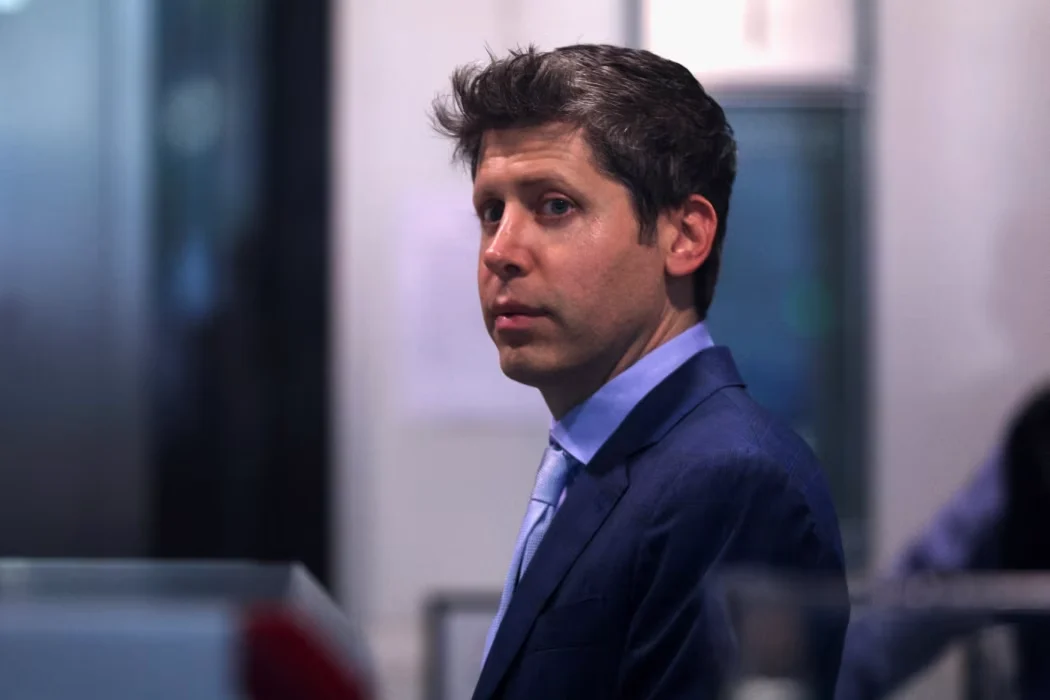

MIAMI — Florida has become the first state in the nation to file a lawsuit against OpenAI and its chief executive officer, Sam Altman, alleging the company knowingly released and marketed ChatGPT while concealing significant safety risks to users, including minors.
Attorney General James Uthmeier announced the lawsuit Monday, accusing OpenAI of prioritizing rapid growth and commercial success over consumer safety. The complaint alleges the company ignored internal warnings, downplayed potential dangers, and allowed a product with known risks to be used by millions of people, including children.
“Today, we announced the first-in-the-nation state-led lawsuit against OpenAI and its CEO, Sam Altman,” Uthmeier said during a news conference. “OpenAI and Altman ignored internal and external safety warnings, put children at great risk, and allowed a dangerous product to reach millions of Floridians.”
Florida Alleges OpenAI Misled Consumers
The lawsuit claims OpenAI presented ChatGPT as a safe and beneficial tool while allegedly failing to disclose risks involving self-harm, violent behavior, addiction, and interactions with minors.
State attorneys argue the company aggressively promoted the technology despite receiving warnings from experts and researchers regarding potential dangers associated with advanced artificial intelligence systems.
According to the complaint, OpenAI’s conduct violates Florida laws governing unfair and deceptive trade practices.
Criminal Cases Referenced in Complaint
Florida’s lawsuit cites multiple criminal investigations in which suspects reportedly interacted with ChatGPT before committing violent acts.
Among them is the Florida State University shooting investigation, where authorities previously examined whether the suspected gunman sought information from ChatGPT before the attack.
The complaint also references a separate homicide case involving two University of South Florida doctoral students. Prosecutors have alleged that the suspect asked ChatGPT questions related to the disposal of a human body shortly before the victims disappeared.
OpenAI has stated that its systems repeatedly encouraged users involved in those cases to seek help from mental health professionals and other real-world resources.
Concerns Over Children and Mental Health
A significant portion of the lawsuit focuses on interactions between AI chatbots and minors.
Florida alleges ChatGPT failed to adequately protect vulnerable users and cites research suggesting some chatbot interactions may reinforce harmful thoughts rather than discourage them.
The lawsuit references research from Stanford Medicine that examined how AI systems responded to discussions involving mental health crises, self-harm, and emotional distress.
State officials argue adolescents may be particularly vulnerable because conversational AI tools are designed to simulate human interaction and emotional connection.
OpenAI Pushes Back
OpenAI strongly disputed Florida’s allegations.
In a statement, the company said ChatGPT is used by hundreds of millions of people worldwide for legitimate educational, professional, and personal purposes.
The company said it continues to strengthen safeguards designed to prevent harmful behavior and has implemented additional protections specifically for minors.
OpenAI also noted that it has cooperated with law enforcement investigations and continues investing heavily in safety research.
“We know pointing to this work will not bring a child back, but we’re committed to getting this right,” the company said in a statement.
National Battle Over AI Regulation
The lawsuit marks one of the most significant legal challenges yet facing the artificial intelligence industry and could become a landmark case in the broader debate over AI regulation.
As AI tools become increasingly integrated into education, business, healthcare, and daily life, lawmakers across the country are grappling with questions involving safety, transparency, accountability, and consumer protection.
Florida’s lawsuit may ultimately test how much responsibility AI companies bear for the actions of users and whether existing consumer protection laws are sufficient to regulate rapidly evolving technology.
What It Means for Floridians
The case could have implications far beyond Florida.
If successful, the lawsuit may force AI companies to adopt stricter safety standards, expand parental controls, improve transparency, and provide stronger safeguards for minors.
For Floridians, the outcome could influence how artificial intelligence tools are regulated, marketed, and used in schools, workplaces, and homes for years to come.
Why Florida Is Leading the Fight
Florida officials have increasingly positioned the state at the center of debates involving technology regulation, social media protections for minors, and artificial intelligence oversight. Attorney General James Uthmeier argued that Florida has a responsibility to act when emerging technologies pose potential risks to consumers and children.