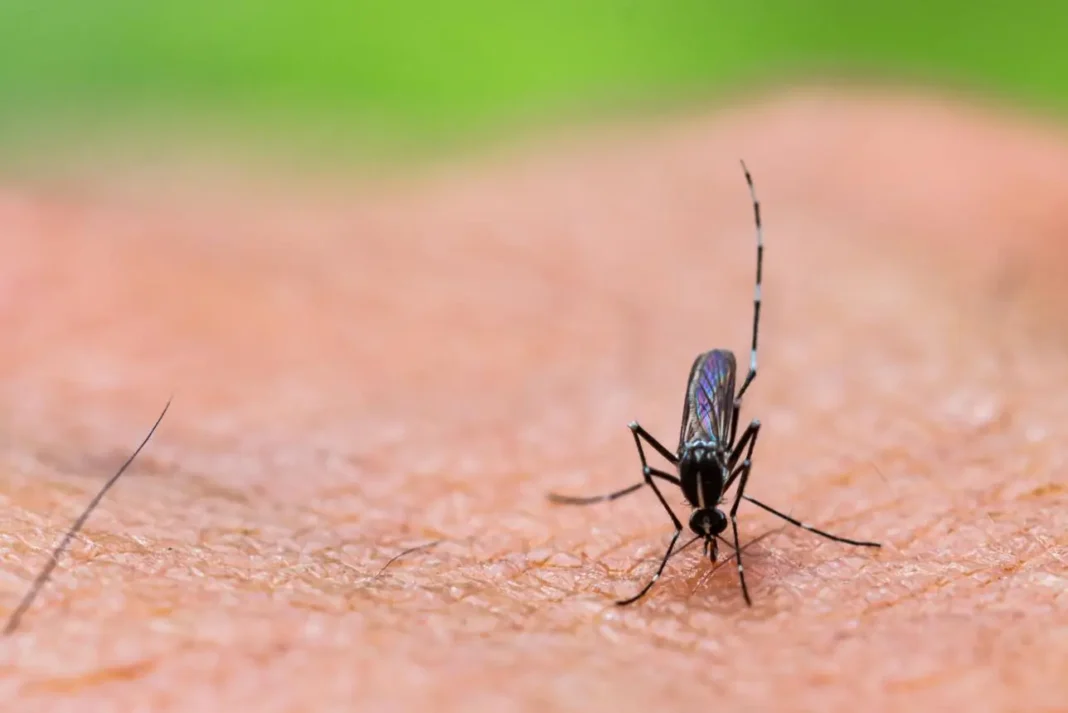

MIAMI — Google is seeking federal approval to release millions of specially treated mosquitoes across parts of Florida as part of an ambitious effort to reduce the spread of mosquito-borne diseases, according to filings currently under review by the U.S. Environmental Protection Agency.
The proposal, submitted through Google’s Debug initiative, would allow the company to release up to 32 million male mosquitoes in Florida and California over a two-year period if approved by federal regulators. The EPA is currently reviewing the request and accepting public comments before making a final decision.
The project is designed to target mosquito species known for spreading illnesses such as dengue fever, Zika virus, chikungunya, and yellow fever. Florida officials have long monitored concerns involving mosquito-borne diseases because of the state’s climate and large mosquito populations.
How Google’s Mosquito Program Works
Unlike traditional mosquito control methods that rely heavily on pesticides, Google’s approach involves releasing non-biting male mosquitoes infected with a naturally occurring bacteria known as Wolbachia.
When the treated male mosquitoes mate with wild female mosquitoes, the eggs fail to hatch, gradually reducing the mosquito population over time. Because only males are released, they do not bite humans or spread disease.
Google says the strategy offers a more targeted and environmentally focused approach to mosquito control while reducing dependence on chemical spraying programs.
Florida Could Become a Major Testing Ground
Although exact release locations have not yet been publicly identified, Florida is expected to play a significant role if the project receives approval.
The state’s warm climate and year-round mosquito activity make it one of the most important regions in the country for mosquito control efforts. Florida has also previously participated in experimental mosquito management programs involving genetically modified insects and Wolbachia-based technologies.
Researchers and mosquito control agencies have increasingly explored alternative strategies as some mosquito populations show resistance to traditional pesticides.
Supporters Point to Success Overseas
Google says similar mosquito suppression efforts have produced encouraging results in Singapore, where releases of treated male mosquitoes reportedly reduced Aedes aegypti mosquito populations by as much as 80% to 90% in some areas and significantly lowered dengue cases.
The company’s engineers use automated breeding systems, data analytics, sensors, and artificial intelligence tools to raise, sort, and release the mosquitoes at scale.
Supporters argue the technology could help communities better control diseases that continue to threaten public health in tropical and subtropical climates.
Critics Raise Environmental Questions
Not everyone is convinced.
Some environmental groups and critics have questioned the long-term ecological impact of large-scale mosquito release programs and argue more research may be needed before expanding such efforts. Similar mosquito control projects in previous years have sparked debate about transparency, environmental effects, and public oversight.
Federal regulators are expected to review public comments before determining whether to grant Google’s experimental use permit.
What It Means for Floridians
If approved, the project could become one of the largest mosquito suppression programs ever conducted in Florida.
For residents, the proposal raises questions involving public health, environmental safety, and the growing role of technology companies in addressing real-world problems traditionally managed by government agencies and public health officials.
As Florida enters another active mosquito season, the debate over Google’s proposal is likely to attract significant attention from homeowners, environmental advocates, local governments, and health experts across the state.