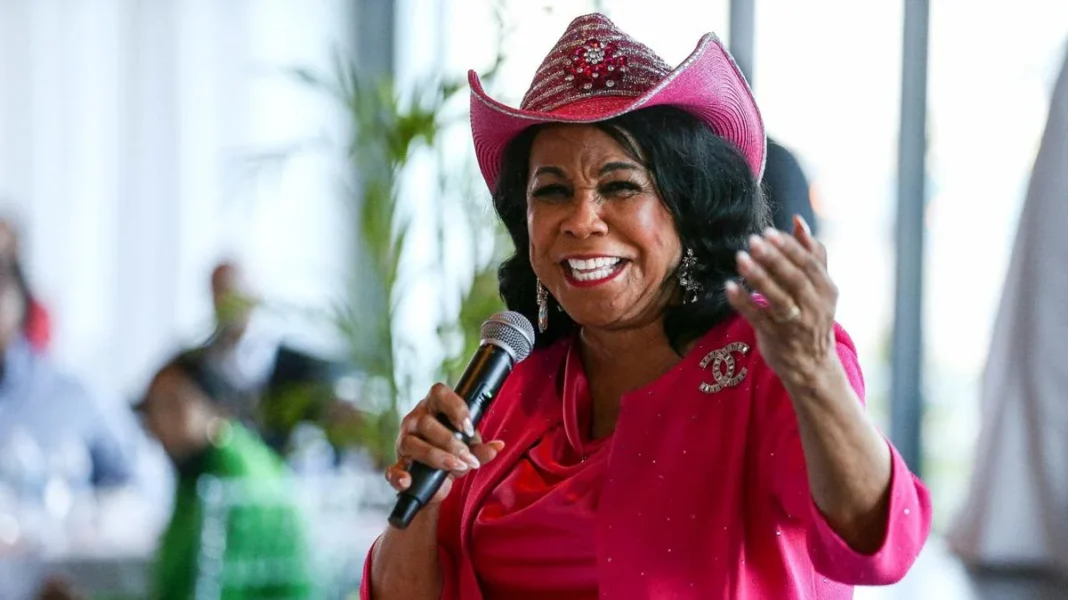

As Congresswoman Frederica Wilson prepares to leave office after more than 15 years representing South Florida in Washington, many political observers are reflecting on her long career in public service. Her retirement marks the end of an era for one of Florida’s most recognizable political figures.
But the reaction from some Democrats and media outlets has been telling. Rather than focusing on Wilson’s record, they have once again turned the conversation toward accusations of “gerrymandering” and warnings about the future of Black political representation in Florida.
The argument deserves a closer look.
For years, Florida Democrats have relied heavily on race-based political districts as a cornerstone of their electoral strategy. Whenever those districts are adjusted through the normal redistricting process, critics immediately claim minority representation is under attack. Yet the reality is far more complicated.
Florida today is one of the most diverse states in the nation. Voters increasingly make decisions based on issues such as inflation, housing affordability, education, crime, immigration, and economic opportunity rather than solely on race. The assumption that minority voters must be concentrated into specially designed districts in order to elect candidates of their choice is increasingly outdated and, many would argue, offensive.
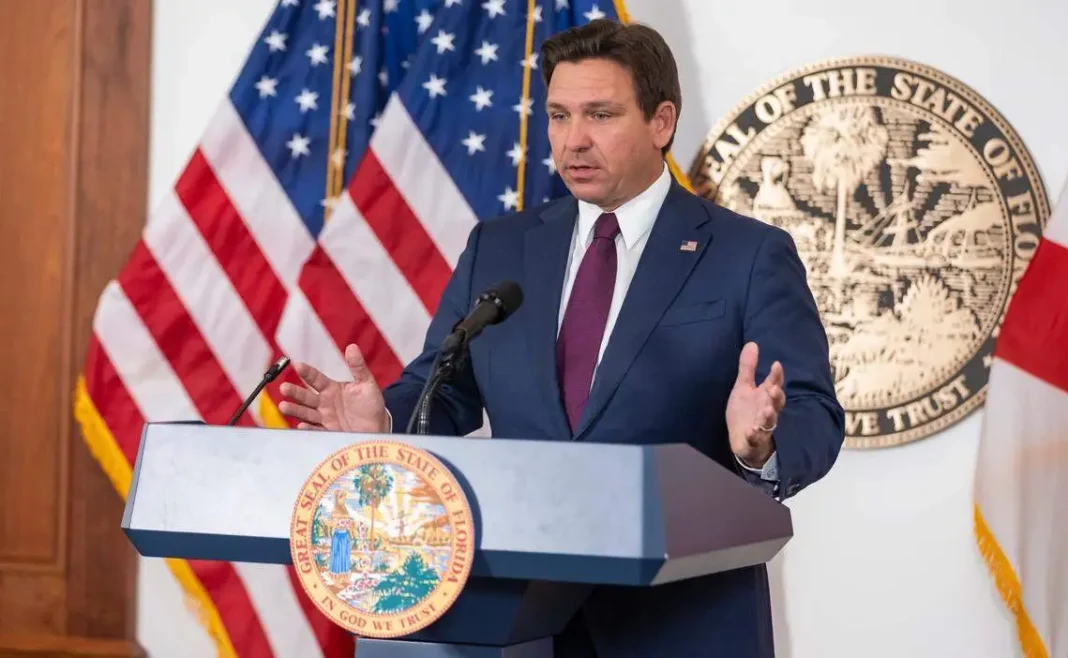
Governor Ron DeSantis and Republican lawmakers have defended recent congressional map changes as constitutional, legally sound, and reflective of population shifts across the state. Courts continue to review various challenges, but the notion that political districts should be drawn primarily around racial considerations remains a contentious issue nationwide.
The retirement of Wilson does not change the political reality of South Florida. Congressional District 24 remains heavily Democratic and is expected to elect another Democrat regardless of who emerges as the nominee. Claims that her departure somehow places the district in immediate danger appear more rooted in political rhetoric than electoral facts.
Wilson herself acknowledged concerns about the district’s future, but those concerns highlight a broader problem within modern Democratic politics. When a party believes a seat can only remain competitive under a particular map or with a specific personality on the ballot, it raises questions about the strength of its message and ideas.
Florida Republicans have spent the last several election cycles expanding support among Hispanic, Black, and working-class voters. The state’s political transformation has been driven less by district lines and more by shifting voter priorities. Many Floridians who once voted reliably Democratic have moved toward Republican candidates because they believe those candidates are addressing issues that directly affect their daily lives.
None of this diminishes Wilson’s accomplishments. Her advocacy for education, mentorship programs, and community engagement earned respect from supporters and opponents alike. The 5000 Role Models of Excellence Project has positively impacted thousands of young people, and her dedication to public service is undeniable.
But her retirement should not become another excuse to relitigate every political disagreement over Florida’s congressional maps.
The future of political representation should be determined by voters, not by assumptions that certain communities can only be represented through race-centered districting strategies. As Florida continues to grow and evolve, elections should focus on ideas, results, and leadership rather than preserving political arrangements designed decades ago.
Frederica Wilson leaves behind a notable legacy. The real question now is whether the next generation of leaders will earn voter support through effective policies and strong advocacy—or continue relying on old political narratives that resonate less with Florida voters every year.
About the Author
The opinions expressed in this article are those of the author and do not necessarily reflect the views of The Florida Pundit.